Have you ever slipped on your favorite pair of shoes only to feel an unexpected pinch or pressure in your toes? Or maybe a simple walk around the block leaves you dealing with discomfort that seems out of proportion to the activity. For many people, these everyday...
LATEST BLOGS
The mere mention of “spine surgery” is often enough to send a shiver down anyone’s back. The fact that you would be undergoing an invasive procedure on such a vital part of your body is intimidating enough, but it also conjures up worries about long recovery times,...
Bunions often start as a small bump at the base of the big toe. At first, it may seem like a minor cosmetic concern or occasional annoyance when wearing tighter shoes. Over time, however, that bump can become increasingly painful, swollen, and inflamed. While many...
Do I Have Spinal Stenosis? Common Symptoms in Adults
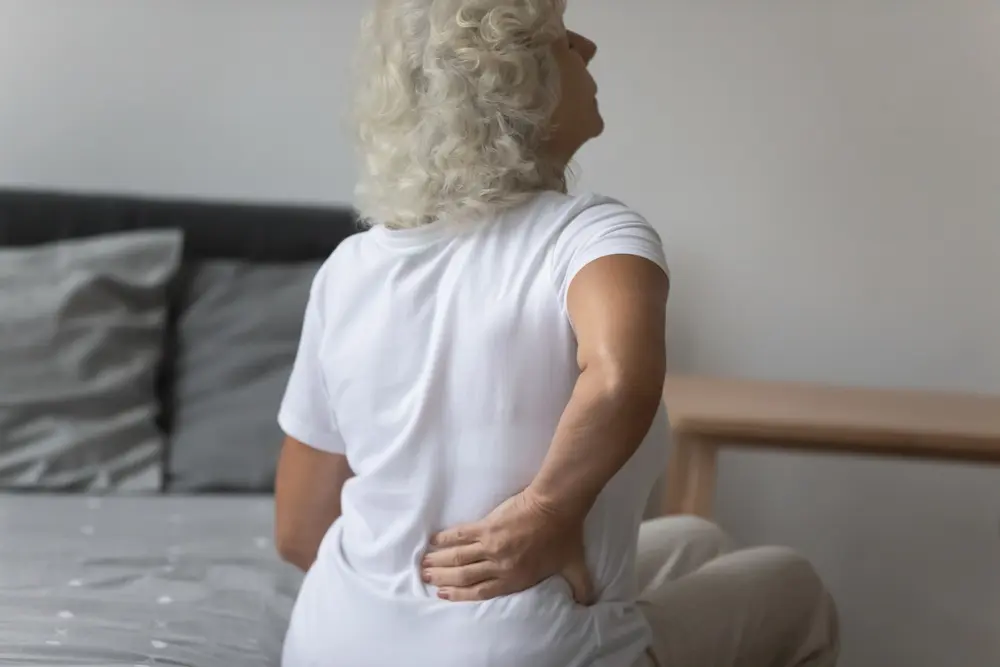
Back and neck discomfort, leg pain, numbness, or weakness are often brushed off as a normal part of getting older or the result of a busy, physically demanding lifestyle. However, in some cases, these warning signs may point to an underlying spinal condition that deserves medical attention. One of the most common of these conditions is spinal stenosis.
Spinal stenosis occurs when the spaces within the spine narrow, putting pressure on the spinal cord or nerves. It most often develops gradually as the spine changes with age, which is why it commonly affects adults over 50, but it can occur earlier as well.
Recognizing the symptoms of spinal stenosis early can make a meaningful difference in managing pain, maintaining mobility, and avoiding long-term nerve damage. The good news is that effective treatments are available. At Premier Orthopaedics, our specialists in Greater Philadelphia diagnose and manage spinal stenosis using personalized, evidence-based care designed to relieve symptoms and help patients stay active.
What Is Spinal Stenosis?
The spine is made up of vertebrae stacked on top of one another, with spaces that allow nerves to travel from the spinal cord to the rest of the body. Spinal stenosis develops when those spaces become too narrow. This narrowing is often caused by age-related changes such as arthritis, thickened ligaments, bone spurs, or degenerative disc disease.
Spinal stenosis can occur in different regions of the spine. However, the most common types include:
- Lumbar spinal stenosis, affecting the lower back and legs
- Cervical spinal stenosis, affecting the neck, shoulders, arms, and hands
The symptoms you experience often depend on which part of the spine is affected and how much pressure is placed on nearby nerves.
The Most Common Symptoms of Spinal Stenosis in Adults
Back or Neck Pain
Many adults with spinal stenosis experience chronic or intermittent pain in the lower back or neck. This pain may feel dull, aching, or tight rather than sharp, and it often develops gradually.
Why does spinal stenosis cause neck and back pain? As the spinal canal narrows, surrounding joints and tissues become inflamed. Degenerative changes in the spine can also alter alignment and movement, contributing to persistent discomfort.
If your pain lasts for weeks or months, worsens with activity, or does not improve with rest, you will want to get evaluated for spinal stenosis.
Radiating Leg or Arm Pain
Spinal stenosis often causes pain that travels away from the spine. In lumbar stenosis, pain may radiate into the hips, buttocks, or legs. In cervical stenosis, pain can travel into the shoulders, arms, or hands.
If pain shoots, burns, or travels down an arm or leg, especially when combined with numbness or weakness, you should be evaluated by a spine specialist.
Numbness or Tingling
Patients may notice pins-and-needles sensations, numbness, or reduced sensation in the legs, feet, arms, or hands if they have spinal stenosis. This is because, when nerves are compressed, their ability to transmit signals is disrupted, resulting in abnormal sensations or a loss of feeling.
Be sure to watch for persistent or worsening numbness, especially if it affects balance or coordination, as this may indicate progressive nerve involvement.
Muscle Weakness
Some adults with spinal stenosis experience weakness in the legs or arms, making it difficult to lift objects, climb stairs, or maintain endurance during walking. This occurs because nerves control muscle strength. When those nerves are compressed over time, muscle function can decline.
Is weakness interfering with your daily activities or seeming to worsen over time? Speak to an orthopaedic specialist about a potential diagnosis of spinal stenosis.
Balance Issues and Coordination Problems
Spinal stenosis, particularly in the cervical spine, can affect balance and coordination. Patients may feel unsteady, clumsy, or prone to falls.
If you’ve been dealing with frequent stumbling, difficulty walking in a straight line, or trouble with fine motor skills, you could have cervical spinal stenosis.
Pain That Worsens With Standing or Walking
A hallmark symptom of lumbar spinal stenosis is pain or heaviness in the legs that worsens with standing or walking and improves with sitting or bending forward. This is because standing upright narrows the spinal canal even further, increasing nerve compression. Sitting or leaning forward, in contrast, creates more space in the spine, temporarily relieving pressure.
If walking short distances becomes difficult but improves when sitting down, spinal stenosis may be the cause.
Why a Professional Evaluation Matters
Spinal stenosis shares symptoms with other spine conditions, such as herniated discs, arthritis, or peripheral nerve disorders. Because of this, a professional evaluation is essential for an accurate diagnosis. A spine specialist can determine whether your symptoms are due to spinal stenosis and identify the specific area and severity of narrowing.
Premier Orthopaedics offers comprehensive spine care, including advanced imaging and both non-surgical and surgical treatment options when needed. We always tailor treatment plans to each patient, focusing on pain relief, improved function, and long-term spinal health.
Take the Next Step Toward Relief
Persistent back, neck, or leg pain should not be dismissed as “just aging.” If discomfort, numbness, or weakness is limiting your mobility or quality of life, speak to an orthopaedic specialist at Premier Orthopaedics about the possibility of having spinal stenosis. We’ll conduct a comprehensive spine evaluation and formulate a treatment plan designed to help you move with greater comfort and confidence. Schedule an appointment in Greater Philadelphia today!