
Hip Fracture Care & Treatment in Greater Philadelphia
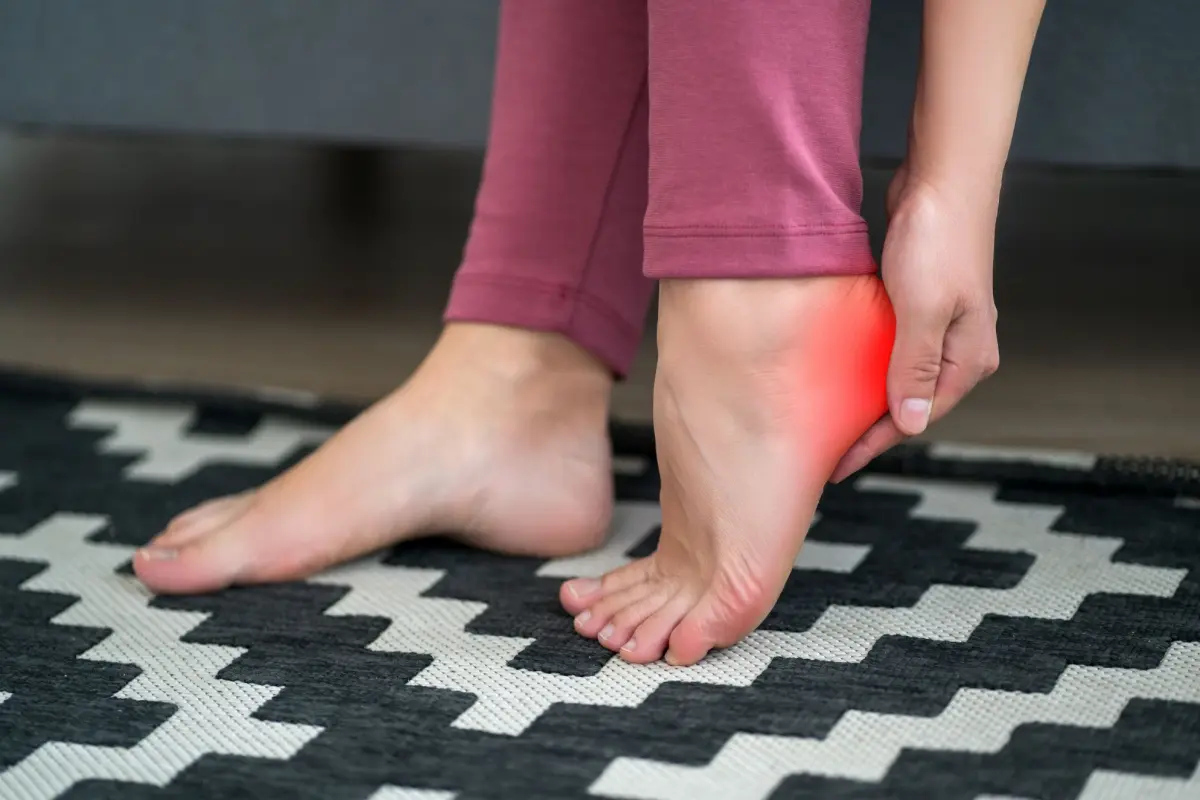
Have you ever slipped on your favorite pair of shoes only to feel an unexpected pinch or pressure in your toes? Or maybe a simple walk around the block leaves you dealing with discomfort that seems out of proportion to the activity. For many people, these everyday...
Bunions often start as a small bump at the base of the big toe. At first, it may seem like a minor cosmetic concern or occasional annoyance when wearing tighter shoes. Over time, however, that bump can become increasingly painful, swollen, and inflamed. While many...
You open your eyes, stretch, and sit up, ready to start the day. But the moment your feet hit the floor, a sharp or aching pain shoots through your heels, arches, or the balls of your feet. Morning should feel refreshing, yet instead, you find yourself hobbling to the...
Hip fractures require prompt medical attention and coordinated orthopaedic care. Delays in treatment can increase the risk of complications, prolong recovery, and limit long-term mobility. With timely diagnosis, expert intervention, and a structured recovery plan, many patients are able to regain function and return to daily activities.
At Premier Orthopaedics, our specialists provide timely, compassionate, and expert hip fracture care to patients in the Greater Philadelphia area. Whether you need an emergency evaluation, surgery, or rehabilitation, our multidisciplinary team is focused on restoring mobility, reducing complications, and supporting your long-term health.
If you or a loved one may have suffered a broken hip, contact our practice today about a customized hip fracture treatment plan that guides you toward the best possible outcome.
Signs and Symptoms of a Hip Fracture
Hip fractures typically present with clear and concerning symptoms. Recognizing these signs and seeking immediate medical attention is critical.
Some of the top hip fracture symptoms include:
- Severe pain in the hip or groin, often worsening with movement
- Inability to bear weight or stand on the affected leg
- Limited range of motion in the hip or leg
- Shortening of the affected leg
- Outward rotation of the leg or foot
- Swelling or bruising around the hip area
In some cases, especially among older adults, pain may initially be mild but worsen over time. Any suspected hip injury following a fall or accident should be treated as a medical emergency.
Prompt and Accurate Hip Fracture Diagnosis
Accurate and timely diagnosis is essential for effective hip fracture treatment. At Premier Orthopaedics, our team works quickly to assess the injury and develop an appropriate treatment plan.
Emergency Assessment
When a patient comes to us with a suspected broken hip, we perform a thorough assessment. This evaluation includes reviewing the mechanism of injury, calculating pain levels, and checking for associated injuries.
Advanced Imaging
Diagnostic imaging is critical for confirming a hip fracture and determining its type and severity. X-rays are commonly used as the first imaging step. If needed, advanced imaging, such as CT scans or MRIs, may be ordered to evaluate complex fractures or identify subtle injuries not visible on standard X-rays.
Orthopaedic Evaluation
Once imaging confirms a hip fracture, an orthopaedic specialist evaluates the injury, overall health, mobility status, and any existing medical conditions. This comprehensive approach ensures that treatment decisions support both immediate repair and long-term recovery.
Comprehensive Hip Fracture Treatment Options
Treatment for a hip fracture depends on the fracture type, location, patient health, and activity level. Premier Orthopaedics provides individualized orthopaedic care plans for hip fractures designed to restore function and promote safe recovery.
Surgery for Hip Fractures
Surgery is the most common treatment for hip fractures and is often performed as soon as medically possible. Surgical options may include:
- Internal fixation, using screws or plates to stabilize the fracture
- Partial hip replacement, replacing the damaged portion of the hip
- Total hip replacement, when the joint is severely damaged
Surgical repair stabilizes the bone, reduces pain, and allows earlier movement, which is crucial for preventing complications.
Non-Surgical Care When Appropriate
In select cases, such as stable fractures or patients who are unable to undergo surgery, non-surgical treatment may be recommended. This approach may include pain management, limited weight-bearing, and close medical monitoring.
Rehabilitation and Physical Therapy
Rehabilitation is a vital part of hip fracture recovery. Within physical therapy, we will focus on restoring strength, balance, and mobility while reducing the risk of future falls.
Schedule Hip Fracture Care with Premier Orthopaedics
Premier Orthopaedics is proud to provide comprehensive hip fracture treatment in Greater Philadelphia, supported by advanced imaging, state-of-the-art surgical facilities, and a multidisciplinary team dedicated to patient recovery. If you or a loved one has experienced a fall or is showing signs of a broken hip, contact our specialists today and learn how to restore your mobility, independence, and quality of life.
Broken Hip FAQs
How serious is a hip fracture?
A hip fracture is a serious injury that can impact mobility and overall health, particularly in older adults. Prompt treatment greatly improves outcomes.
How soon should surgery be performed?
In most cases, surgery for a broken hip is recommended as soon as the patient is medically stable — often within 24 to 48 hours.
How long does recovery take?
Recovery varies depending on the individual and treatment type. With that in mind, a typical broken hip recovery timeline involves beginning rehabilitation within days of the surgery and continuing to improve over several months.
Will I be able to walk again after breaking a hip?
With proper treatment and rehabilitation, many patients regain the ability to walk and perform daily activities.
How can future fractures be prevented?
Fall prevention strategies, bone health management, and physical therapy can help reduce the risk of future fractures.