
Participation in youth sports has grown dramatically in recent years. Many young athletes now train year-round, compete on multiple teams, attend specialized camps, and focus on a single sport from an early age. The dedication and discipline required to compete at...
LATEST BLOGS
Back and neck discomfort, leg pain, numbness, or weakness are often brushed off as a normal part of getting older or the result of a busy, physically demanding lifestyle. However, in some cases, these warning signs may point to an underlying spinal condition that...
Chronic knee pain can be incredibly frustrating, especially when it starts to interfere with everyday activities you once took for granted. Walking the dog, climbing the stairs, exercising, or simply getting through a busy day can become uncomfortable when knee...
When Is Surgery Recommended for Bunions?
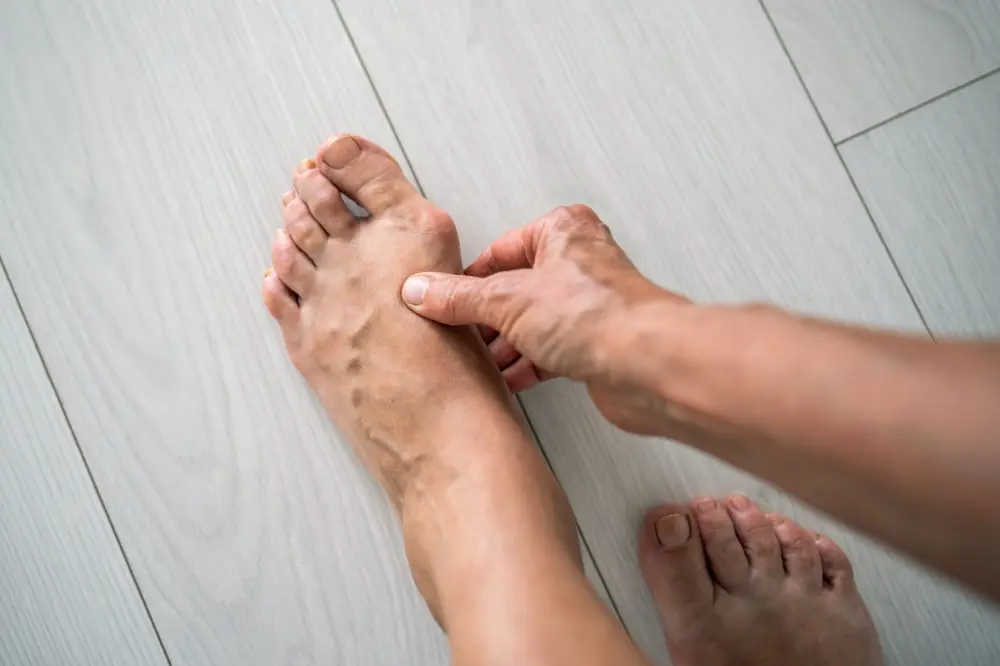
Bunions often start as a small bump at the base of the big toe. At first, it may seem like a minor cosmetic concern or occasional annoyance when wearing tighter shoes. Over time, however, that bump can become increasingly painful, swollen, and inflamed.
While many bunions can be managed with conservative treatment in the early stages, worsening pain and deformity may eventually require surgical correction. Deciding when surgery is appropriate depends on several factors, including the severity of symptoms, how much the condition interferes with daily life, and how well non-surgical treatments have worked.
What Is a Bunion?
A bunion, medically known as hallux valgus, is a deformity of the joint at the base of the big toe (the metatarsophalangeal joint). It occurs when the big toe gradually shifts toward the smaller toes, causing the joint to protrude outward. Over time, the misalignment worsens, and the joint becomes inflamed and painful.
Common contributing factors to the formation of bunions include:
- Genetics: A family history of bunions increases the likelihood of developing them.
- Foot Structure: Flat feet or abnormal foot mechanics can contribute to joint stress.
- Footwear: Narrow, tight, or high-heeled shoes may aggravate existing structural tendencies.
- Arthritis: Inflammatory conditions can weaken joint stability and accelerate deformity.
- Repetitive Stress: Certain occupations or activities that place prolonged pressure on the feet may worsen symptoms.
It’s important to understand that footwear alone doesn’t cause bunions, but it can make an existing condition worse.
Non-Surgical Treatment Options for Bunions
In many cases, bunions can be managed without surgery, particularly in the early stages. The goal of conservative foot treatment is to reduce pain, minimize inflammation, and slow progression.
Common non-surgical options for bunions include:
- Footwear Modifications: Wearing wider shoes with adequate toe space can reduce pressure on the joint.
- Orthotics: Custom or over-the-counter inserts can improve foot alignment and redistribute pressure.
- Padding and Splints: Protective pads or toe spacers may help relieve irritation and discomfort.
- Activity Adjustments: Reducing activities that exacerbate symptoms can limit inflammation.
- Anti-Inflammatory Medications: Nonsteroidal anti-inflammatory drugs (NSAIDs) may reduce swelling and pain.
- Physical Therapy: Targeted exercises can strengthen surrounding muscles and improve joint mobility.
For many patients, these measures provide sufficient relief. However, they do not reverse the deformity itself.
Signs That Surgery May Be Recommended for Bunions
Bunion surgery is typically considered when conservative treatment no longer provides adequate relief. Some signs that surgery may be recommended include:
- Persistent pain despite footwear changes and non-surgical treatments
- Significant deformity that continues to worsen
- Difficulty walking or performing daily activities
- Overlapping or crowding of toes
- Recurrent inflammation or swelling
- Development of corns, calluses, or secondary foot problems
- Reduced quality of life due to chronic discomfort
If bunion pain interferes with your ability to stay active or perform routine tasks, it may be time to consult a specialist.
At Premier Orthopaedics, our foot and ankle experts conduct thorough evaluations, including advanced imaging when necessary, to assess joint alignment and determine whether surgical intervention is appropriate.
What to Expect From Bunion Surgery
The primary goal of bunion surgery is to correct joint alignment, relieve pain, and restore function.
Several surgical techniques may be used depending on the severity of the deformity:
- Osteotomy: This procedure involves cutting and realigning the bone to restore proper positioning of the big toe.
- Joint Realignment: Soft tissue structures around the joint may be adjusted to improve stability.
- Fusion (Arthrodesis): In more severe cases, especially when arthritis is present, the joint may be fused to eliminate pain and improve alignment.
At Premier Orthopaedics, many bunion procedures are performed using minimally invasive techniques. These approaches typically involve smaller incisions, reduced tissue disruption, and potentially faster initial recovery compared to traditional open surgery.
Recovery & Rehabilitation After Bunion Surgery
Recovery timelines vary depending on the specific procedure performed and individual factors, such as overall health and activity level. Generally, patients can expect:
- A period of time wearing a surgical shoe or boot
- Gradual return to walking and daily activities
- Swelling that may persist for several weeks
- Follow-up appointments to monitor healing
Physical therapy may be recommended to restore range of motion, strength, and proper gait mechanics.
Most patients can return to normal footwear and activities within several months, though full healing continues over time. Your care team will provide personalized guidance throughout your recovery.
Protect Your Foot Health With Premier Orthopaedics
Bunions may begin as a minor inconvenience, but without appropriate care, they can progress and affect your mobility and overall quality of life. Early evaluation by a foot and ankle specialist is essential for preventing worsening deformity and maintaining long-term joint health.
At Premier Orthopaedics, we combine advanced orthopedic expertise, state-of-the-art imaging, minimally invasive surgical techniques, and coordinated rehabilitation services to deliver comprehensive care tailored to your needs.
If you’re experiencing persistent bunion discomfort, schedule an appointment at one of our Greater Philadelphia locations today. Our team will help determine whether surgical or non-surgical treatment is right for you.
Frequently Asked Questions
When should I see a specialist for a bunion?
If bunion pain persists, worsens, or limits your ability to walk comfortably, it’s time to schedule an evaluation.
Is bunion surgery always necessary?
No. Many bunions can be effectively managed with conservative treatment. Surgery is typically recommended only when symptoms significantly impact quality of life.
How long does it take to recover from bunion surgery?
Recovery depends on the procedure performed. Most patients resume normal activities within several weeks to months, but full healing may take longer.
Will the bunion come back?
When properly corrected, recurrence is uncommon. Following postoperative guidelines and wearing supportive footwear can help maintain results.