
You open your eyes, stretch, and sit up, ready to start the day. But the moment your feet hit the floor, a sharp or aching pain shoots through your heels, arches, or the balls of your feet. Morning should feel refreshing, yet instead, you find yourself hobbling to the...
LATEST BLOGS
Are you a fitness enthusiast or a dedicated athlete who has suddenly been sidelined by a nagging, persistent pain in your calf and ankle? That sharp or aching sensation that flares up during or after activity could be the result of Achilles tendonitis. The Achilles...
We’ve all seen soccer players sidelined by common but painful injuries like ankle sprains, knee ligament tears, and muscle strains. The combination of running, sudden stops, quick cuts, and potential physical contact makes the body, particularly the lower extremities,...
Sciatica vs. Herniated Discs: Understanding the Difference
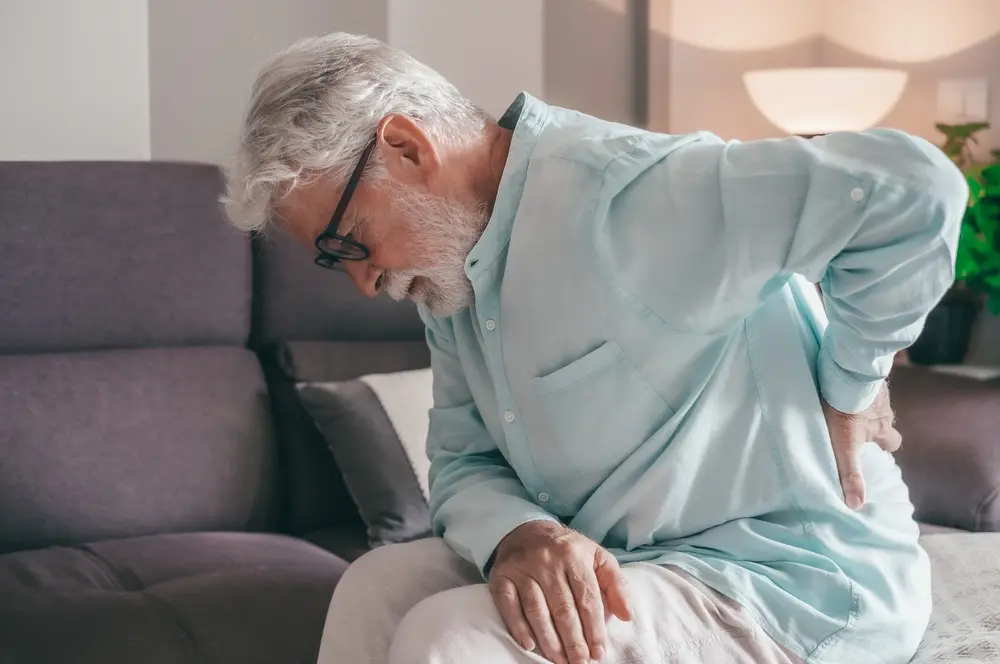
If you are struggling with lower back pain that radiates down your leg, you might have hit the internet searching for answers, only to find the terms “sciatica” and “herniated disc” discussed frequently. This is because both conditions can cause debilitating back pain, limit your mobility, and significantly impact your quality of life. However, from a medical perspective, they are two distinct conditions.
To put it simply: a herniated disc is a physical injury to the spine, while sciatica is a set of symptoms caused by an underlying medical issue. In fact, a herniated disc is often the direct result of sciatica.
Understanding the difference between sciatica vs. herniated discs is the first step toward recovery, but because the symptoms often overlap, self-diagnosis is never recommended. For lasting relief and long-term spinal health, it is vital to be properly diagnosed by an orthopedic specialist.
What Is Sciatica?
Sciatica is not a condition itself but rather a symptom of an underlying issue. It refers to pain caused by irritation, inflammation, or compression of the sciatic nerve, which is the largest nerve in the body.
The sciatic nerve runs from the lower back through the hips, buttocks, and down each leg. When something presses on or inflames this nerve, it can cause pain to radiate throughout these parts of your body. The pain may be mild and intermittent or sharp and debilitating.
Because sciatica is a symptom rather than a diagnosis, a spinal specialist will work to identify the root cause of the nerve irritation so they can recommend effective treatment.
Symptoms of Sciatica
The hallmark of sciatica is pain that radiates from your lower (lumbar) spine to your buttocks and down the back of your leg.
Other common symptoms include:
- Sharp, shooting, or burning pain that radiates from the lower back into the buttocks and down the back of the leg
- Numbness or tingling in the leg or foot
- Weakness in the affected leg
- Pain that worsens with sitting, bending, or twisting
- Electric shock-like sensations during movement
These symptoms usually affect only one side of the body. In more severe cases, sciatica may make it difficult to put weight on the leg or perform normal activities.
Common Causes of Sciatica
Because sciatica is a symptom, it can be triggered by several conditions that place pressure on the sciatic nerve. Common culprits include:
- Herniated Discs: As we will discuss more in a few moments, a herniated disc in the lumbar spine can bulge outward and press directly on the sciatic nerve.
- Spinal Stenosis: Narrowing of the spinal canal reduces the space available for the nerves, causing compression and inflammation.
- Degenerative Disc Disease: As spinal discs wear down with age, they may lose height and cause increased pressure on surrounding nerves.
- Piriformis Syndrome: The piriformis muscle, located in the buttocks, can spasm or tighten, irritating the sciatic nerve that runs beneath it.
- Spondylolisthesis: This condition occurs when a vertebra slips out of place and pinches the sciatic nerve.
Treatment Options for Sciatica
Sciatica treatment depends on what is causing the nerve irritation, but many patients find relief with non-surgical approaches. Common treatment options include:
- Physical Therapy: Guided exercises can reduce pressure on the sciatic nerve and improve long-term spinal stability.
- Medication: Anti-inflammatory medications, muscle relaxers, or oral steroids may be used to calm inflammation and ease pain.
- Epidural Steroid Injections: These injections deliver powerful anti-inflammatory medication directly around the irritated nerve.
- Heat and Ice Therapy: Alternating hot and cold applications can help improve circulation and reduce muscle tension.
- Lifestyle Modifications: Improving posture, adjusting workspace ergonomics, and losing weight (if needed) can all alleviate pressure on the sciatic nerve.
- Surgery (in Severe Cases): If conservative treatments fail or if there is significant nerve compression, surgical intervention may be necessary to relieve the pressure.
What Is a Herniated Disc?
A herniated disc (sometimes called a “slipped” or “ruptured” disc) occurs when one of the soft, cushioning discs between the vertebrae becomes damaged.
Inside each disc is a gel-like material; when the outer layer weakens or tears, the inner material can push out and press on nearby nerves. The result is pain, numbness, or weakness in an arm or leg.
Herniated discs most commonly occur in the lower back (lumbar spine), but they can also affect the neck (cervical spine).
Symptoms of a Herniated Disc
Interestingly, you can have a herniated disc without knowing it; herniated discs show up on MRIs of people who have no back pain at all. However, when the disc presses on a nerve, symptoms arise.
- Localized Back Pain: Unlike pure sciatica, a herniated disc can cause significant, localized pain in the back itself, which may worsen with bending or twisting.
- Arm or Leg Pain: If your herniated disc is in your lower back, you will typically feel the most pain in your buttocks, thigh, and calf (this is where it overlaps with sciatica). If the herniated disc is in your neck, the pain will typically be most intense in your shoulder and arm.
- Numbness or Tingling: People who have a herniated disc often experience radiating numbness or tingling in the body part served by the affected nerves.
- Weakness: Muscles served by the affected nerves tend to weaken. This may cause you to stumble or impair your ability to lift or hold items.
It’s important to note that herniated discs can cause sciatica when the sciatic nerve is compressed, but not all herniated discs lead to sciatic symptoms.
Common Causes of Herniated Discs
Herniated discs are most often the result of gradual wear and tear from aging (this is called disc degeneration). As you age, your spinal discs lose some of their water content, making them less flexible and more prone to tearing or rupturing with even a minor strain or twist.
Other risk factors of herniated discs, however, include:
- Weight: Excess body weight causes extra stress on the discs in your lower back.
- Occupation: People with physically demanding jobs have a greater risk of back problems. Repetitive lifting, pulling, pushing, bending sideways, and twisting can also increase your risk.
- Genetics: Some people inherit a predisposition to developing a herniated disc.
Treatment Options for Herniated Discs
Treatment often begins with conservative, non-surgical methods designed to reduce pain and encourage natural healing. Like sciatica, these may include physical therapy, anti-inflammatory medications, muscle relaxers, epidural steroid injections, and activity modification.
In cases where the herniated disc does not improve with conservative care, surgical options such as a microdiscectomy may be recommended to remove the portion of the disc pressing on the nerve.
Sciatica vs. Herniated Discs: How to Know What You’re Experiencing
Because the two conditions are closely related and often share overlapping symptoms, the best way to determine what you are dealing with is to be evaluated by an orthopedic specialist. At Premier Orthopaedics, our team uses advanced diagnostic methods such as physical examinations, MRI imaging, nerve studies, and X-rays to pinpoint the source of your pain.
Once we have a clear diagnosis, we create a customized treatment plan based on your symptoms, lifestyle, and long-term goals. In this way, we can help you feel better, move comfortably, and regain control of your daily life.
If you’re struggling with back or leg pain and want answers, contact Premier Orthopaedics in Philadelphia, PA, today to schedule an appointment. Getting the right diagnosis is the first step toward lasting relief.