
The mere mention of “spine surgery” is often enough to send a shiver down anyone’s back. The fact that you would be undergoing an invasive procedure on such a vital part of your body is intimidating enough, but it also conjures up worries about long recovery times,...
LATEST BLOGS
Bunions often start as a small bump at the base of the big toe. At first, it may seem like a minor cosmetic concern or occasional annoyance when wearing tighter shoes. Over time, however, that bump can become increasingly painful, swollen, and inflamed. While many...
Participation in youth sports has grown dramatically in recent years. Many young athletes now train year-round, compete on multiple teams, attend specialized camps, and focus on a single sport from an early age. The dedication and discipline required to compete at...
Hammer Toe: What Causes It and How It’s Treated
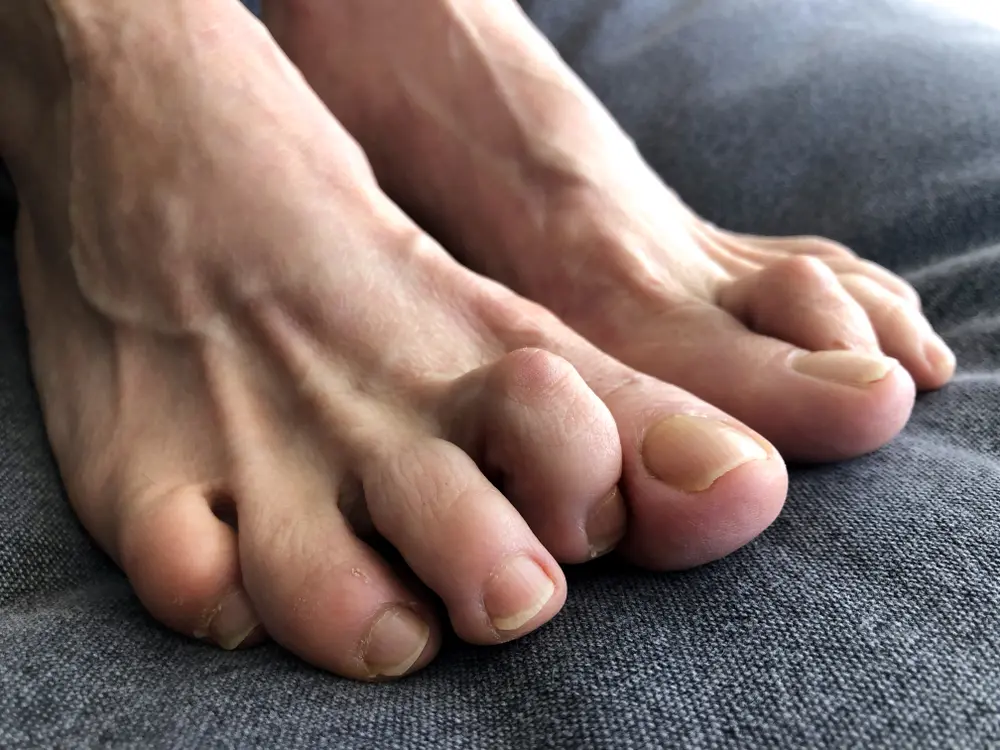
Have you ever slipped on your favorite pair of shoes only to feel an unexpected pinch or pressure in your toes? Or maybe a simple walk around the block leaves you dealing with discomfort that seems out of proportion to the activity. For many people, these everyday annoyances can be traced back to toe deformities — conditions that gradually develop and interfere with comfort and mobility. One of the most common of these conditions is hammer toe.
While it may sound minor, hammer toe can significantly impact your ability to walk comfortably, stay active, and wear the shoes you love. The good news is that it’s a treatable condition, especially when addressed early. With expert care from providers like Premier Orthopaedics, patients can find relief and prevent the condition from worsening over time.
What Is Hammer Toe?
Hammer toe is a deformity that affects the middle joint of one of your smaller toes, most often the second, third, or fourth toe. Instead of lying flat, the toe bends downward at the middle joint, creating a shape that resembles a hammer.
In its early stages, hammer toe may still be flexible, meaning you can manually straighten the toe. However, as the condition progresses, the toe can become rigid and fixed in position, making it more difficult to treat without medical intervention.
This abnormal bending can cause the toe to rub against the inside of your shoes, leading to irritation, pain, and even the development of corns or calluses. Over time, the discomfort may increase and begin to affect your daily activities.
What Causes Hammer Toe?
Hammer toe is typically the result of a slow, progressive imbalance in the muscles, tendons, or ligaments that normally hold the toe straight. When these tissues become unbalanced, the toe is pulled into a bent position.
Several factors can contribute to this imbalance:
- Ill-Fitting Footwear: This is the most common culprit. Shoes that are too tight, too short, or have a narrow, pointed toe box (like high heels) force the toes into a flexed position. Over time, the muscles “forget” how to straighten out.
- Trauma: A past injury, such as stubbing, jamming, or breaking a toe, can make it more likely for a hammer toe to develop later in life.
- Genetics: Sometimes, the structure of your foot is simply inherited. If you have naturally high arches or flat feet, your muscles may work harder to stabilize your gait, leading to toe deformities.
- Medical Conditions: People with diabetes or certain types of arthritis (like rheumatoid arthritis) are at a higher risk due to nerve damage or joint inflammation that weakens foot muscles.
- Age and Gender: Hammer toe risk increases with age, and it is statistically more common in women, largely due to historical footwear trends.
Symptoms to Watch For
The symptoms of hammer toe can vary depending on how advanced the condition is, but there are several common signs to keep an eye on.
You may first notice a visible bend in your toe that doesn’t fully straighten. This change in appearance is often accompanied by discomfort or pain, especially when wearing shoes. The top of the bent joint may rub against footwear, leading to redness, irritation, and the formation of corns or calluses.
As the condition progresses, the affected toe may become stiff and difficult to move. You might also experience pain in the ball of your foot due to changes in how weight is distributed when you walk.
In more advanced cases, walking can become increasingly uncomfortable, and finding shoes that fit properly may feel like a challenge.
Non-Surgical Treatment Options for Hammer Toe
The earlier hammer toe is diagnosed, the more likely it can be managed without surgery. Non-surgical treatments focus on relieving symptoms, improving alignment, and preventing the condition from worsening.
- Switching Footwear: Look for shoes with a wide toe box that allow your toes to splay out naturally. Avoid heels higher than two inches, as they shift your body weight forward and cramp the toes.
- Toe Exercises: Just like any other part of your body, your toes need a workout! Toe yoga, such as picking up marbles with your toes or doing towel scrunches (using your toes to pull a towel toward you), can help strengthen the muscles and restore balance.
- Padding and Taping: Over-the-counter pads can shield the prominent joint from friction, preventing corns. Taping or using buddy tapes to secure the affected toe to its neighbor can also help maintain a straighter position.
- Orthotic Devices: Custom shoe inserts can help redistribute your weight and correct the underlying structural issues that caused the muscle imbalance in the first place.
- Medication: If the toe is particularly inflamed, your doctor may recommend nonsteroidal anti-inflammatory drugs (NSAIDs) or, in some cases, a corticosteroid injection to reduce swelling.
When Surgery May Be Recommended
If the hammer toe becomes rigid or if non-surgical treatments no longer provide relief, surgery may be considered. Surgical treatment typically aims to straighten the toe, relieve pain, and restore function. Depending on the severity of the deformity, this may involve releasing tight tendons, removing a small portion of bone, or stabilizing the joint with a pin or implant.
Recovery times can vary, but many patients are able to return to normal activities within a few weeks to a couple of months. Physical therapy and proper post-operative care play an important role in ensuring a successful outcome.
The key is to work with an experienced orthopaedic specialist who can evaluate your condition and recommend the most appropriate treatment plan for your needs.
Let Premier Orthopaedics Help Relieve Your Hammer Toe
Living with a hammer toe doesn’t have to mean living with constant discomfort. With the right care and guidance, you can take steps to relieve pain, improve mobility, and protect your long-term foot health.
At Premier Orthopaedics, patients in the Greater Philadelphia area receive expert diagnosis and personalized treatment plans tailored to their specific condition and lifestyle. Whether you’re in the early stages of hammer toe or dealing with more advanced symptoms, our foot and ankle specialists are equipped to help you explore treatment options that prevent the condition from progressing and improve your overall comfort.
Take the first step toward healthier, pain-free movement by booking an appointment today.