
Rheumatoid Arthritis Treatment & Care in Greater Philadelphia
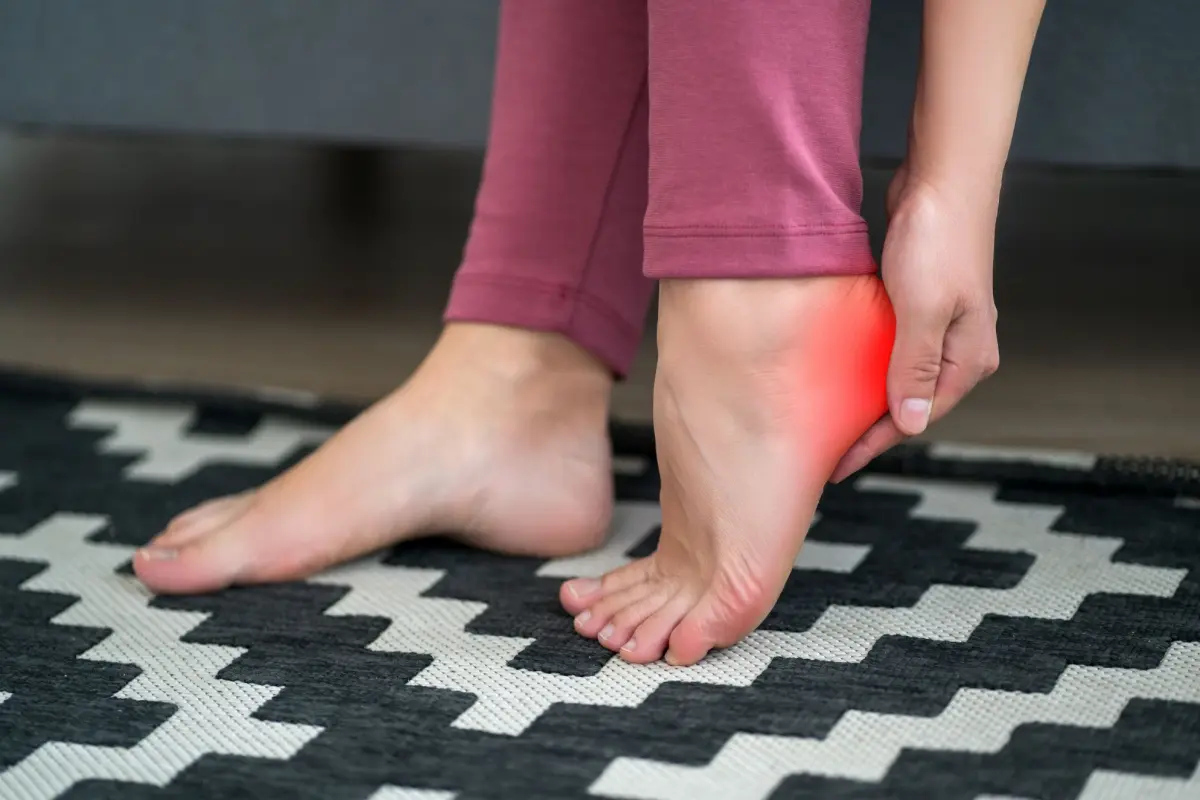
Have you ever slipped on your favorite pair of shoes only to feel an unexpected pinch or pressure in your toes? Or maybe a simple walk around the block leaves you dealing with discomfort that seems out of proportion to the activity. For many people, these everyday...
Bunions often start as a small bump at the base of the big toe. At first, it may seem like a minor cosmetic concern or occasional annoyance when wearing tighter shoes. Over time, however, that bump can become increasingly painful, swollen, and inflamed. While many...
You open your eyes, stretch, and sit up, ready to start the day. But the moment your feet hit the floor, a sharp or aching pain shoots through your heels, arches, or the balls of your feet. Morning should feel refreshing, yet instead, you find yourself hobbling to the...
Living with ongoing joint pain, stiffness, swelling, and fatigue can slowly take a toll on nearly every part of your daily life. Tasks that once felt simple can become frustrating and exhausting. And since these symptoms don’t appear overnight, it’s easy to dismiss them at first. However, when these issues persist or worsen, you know you could be dealing with something as serious as rheumatoid arthritis (RA), a chronic autoimmune condition that requires specialized care.
Rheumatoid arthritis occurs when the immune system mistakenly attacks healthy joint tissue, leading to inflammation, pain, and potential joint damage over time. If left untreated, RA can progressively worsen, affecting not only joints but also overall health and quality of life. The good news is that early diagnosis and comprehensive treatment can make a significant difference. With the right care plan, many patients are able to manage symptoms effectively, slow disease progression, and maintain an active, fulfilling lifestyle.
At Premier Orthopaedics, our specialists provide advanced, personalized rheumatoid arthritis treatment in Greater Philadelphia focused on symptom relief, joint protection, and long-term mobility. With a full spectrum of musculoskeletal expertise and access to advanced diagnostics and therapies, our team works closely with each patient to develop a care plan tailored to their needs and goals.
If joint pain or stiffness is limiting your life, schedule an evaluation with Premier Orthopaedics and take control of your condition.
Do You Have Symptoms of Rheumatoid Arthritis?
Rheumatoid arthritis can present differently from person to person, but there are several hallmark symptoms that commonly indicate the condition. Recognizing these signs early can help you seek treatment before significant joint damage occurs.
Common symptoms of rheumatoid arthritis include:
- Joint swelling and tenderness, often affecting the hands, wrists, knees, or feet
- Morning stiffness that lasts longer than 30 minutes or improves slowly throughout the day
- Symmetrical joint pain, meaning the same joints are affected on both sides of the body
- Persistent fatigue or low energy, even with adequate rest
- Reduced range of motion or difficulty performing fine motor tasks
- Warmth or redness around affected joints
- General feelings of discomfort or flu-like symptoms during flare-ups
Because RA symptoms can fluctuate, some patients experience periods of improvement followed by flare-ups. Even if symptoms seem manageable at times, ongoing inflammation can still damage joints. Seeking a professional evaluation early allows for timely intervention and better long-term outcomes.
Comprehensive Rheumatoid Arthritis Diagnosis and Care in Greater Philadelphia
Accurate diagnosis is the foundation of effective rheumatoid arthritis treatment. At Premier Orthopaedics, our specialists in Greater Philadelphia use a thorough and comprehensive approach to evaluate symptoms, confirm diagnosis, and determine the extent of joint involvement.
Clinical Evaluation
Your evaluation begins with a detailed medical history and physical examination. Our providers assess joint tenderness, swelling, mobility, and patterns of pain while discussing symptom duration, severity, and impact on daily life.
Diagnostic Imaging
Advanced imaging plays a critical role in identifying joint inflammation and damage. X-rays, ultrasounds, or MRI scans may be used to evaluate joint structures, detect early erosions, and monitor disease progression over time.
Laboratory Testing
Blood tests help identify markers associated with rheumatoid arthritis, such as rheumatoid factor (RF), anti-CCP antibodies, and inflammatory markers. These tests support diagnosis and help guide treatment decisions.
Ongoing Monitoring
RA is a chronic condition that requires ongoing management. Our team regularly monitors symptoms, imaging results, and lab findings to adjust treatment plans as needed and ensure optimal disease control.
This comprehensive approach allows Premier Orthopaedics to deliver precise, patient-focused care at every stage of the condition.
Non-Surgical and Advanced Treatment Options for Rheumatoid Arthritis
Rheumatoid arthritis treatment focuses on reducing inflammation, relieving pain, protecting joints, and preserving function. At Premier Orthopaedics, we offer a wide range of non-surgical and advanced therapies tailored to each patient’s needs.
Medication Management
Medications are often a cornerstone of RA treatment. These may include anti-inflammatory medications, disease-modifying therapies, and other options designed to control immune system activity and reduce joint damage. Treatment plans are customized and adjusted based on response and tolerance.
Physical Therapy
Targeted physical therapy helps improve strength, flexibility, and joint stability while reducing pain and stiffness. Therapists work closely with patients to design safe exercise programs that support improving while managing rheumatoid arthritis pain.
Injections
Joint injections may be recommended to reduce inflammation and provide rheumatoid arthritis pain relief during flare-ups. These treatments can improve comfort and function, particularly when symptoms interfere with daily activities.
Regenerative Medicine
Premier Orthopaedics offers leading-edge regenerative medicine options that may support tissue health and reduce inflammation for certain patients. These therapies are carefully evaluated and used as part of a comprehensive care plan when appropriate.
Lifestyle and Activity Guidance
Managing rheumatoid arthritis extends beyond medical treatments. Our specialists provide guidance on activity modification, joint protection strategies, and healthy lifestyle habits that support long-term joint health and overall well-being.
Get Expert Orthopaedic Care for Rheumatoid Arthritis
Rheumatoid arthritis doesn’t have to control your life. With early diagnosis, advanced treatment options, and a personalized care plan, many patients are able to manage symptoms effectively and maintain mobility and independence.
Premier Orthopaedics provides comprehensive rheumatoid arthritis care through a multidisciplinary team of specialists, advanced diagnostics, and innovative treatment options. And our patient-centered approach ensures that every aspect of your condition is addressed with expertise and compassion.
If joint pain, stiffness, or fatigue is affecting your daily routine, schedule an appointment with Premier Orthopaedics today and take the first step toward protecting your joint health and improving your quality of life.
Frequently Asked Questions
Is rheumatoid arthritis the same as osteoarthritis?
No. Rheumatoid arthritis is an autoimmune condition that causes inflammation, while osteoarthritis is a degenerative joint condition related to wear and tear.
Can rheumatoid arthritis be cured?
There is currently no cure, but with early and ongoing treatment, symptoms can be well controlled and joint damage significantly reduced.
When should I see a specialist?
If joint pain, stiffness, or swelling lasts more than a few weeks or interferes with daily activities, it’s important to seek an evaluation for suspected RA symptoms and diagnosis.
Will I need surgery for rheumatoid arthritis?
Most patients are managed with non-surgical treatments. Surgery is considered only in advanced cases where joint damage significantly affects function.
How often will I need follow-up care?
RA management is ongoing. Follow-up frequency depends on symptom severity and treatment response, but regular monitoring is essential.