
ACL Tear Treatment in Greater Philadelphia
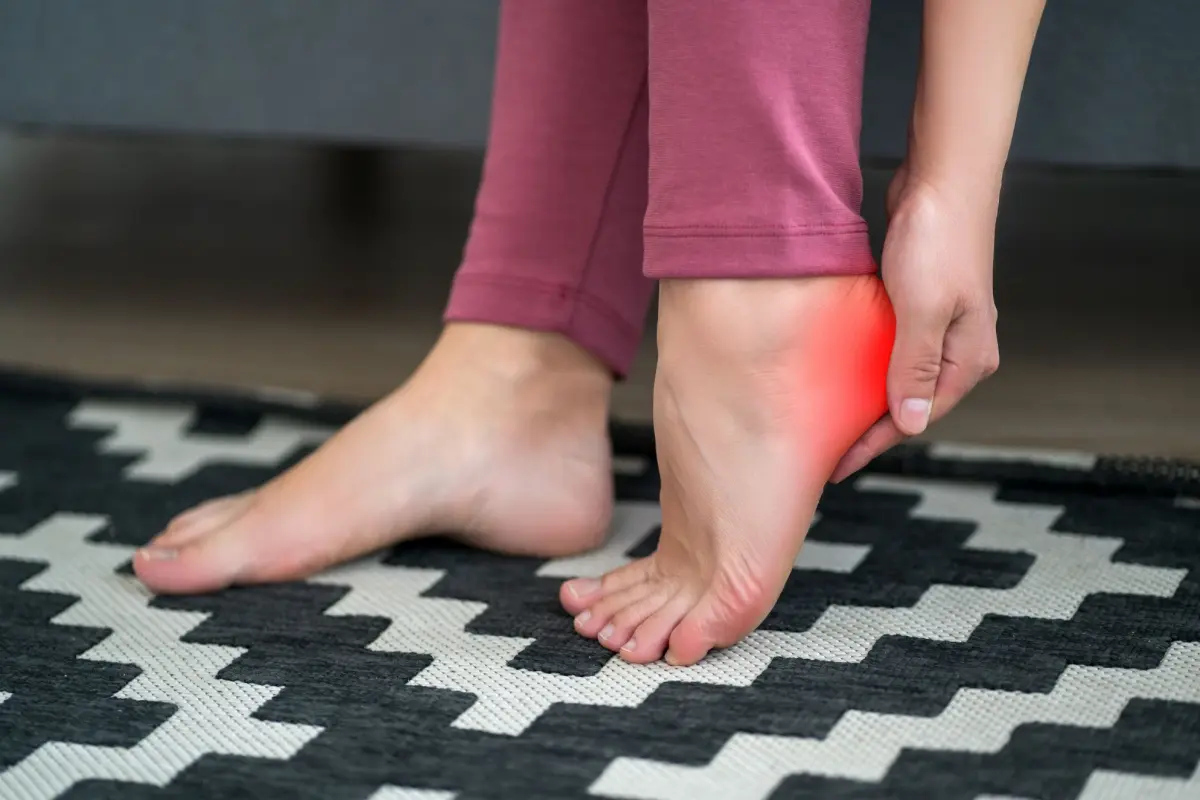
Bunions often start as a small bump at the base of the big toe. At first, it may seem like a minor cosmetic concern or occasional annoyance when wearing tighter shoes. Over time, however, that bump can become increasingly painful, swollen, and inflamed. While many...
You open your eyes, stretch, and sit up, ready to start the day. But the moment your feet hit the floor, a sharp or aching pain shoots through your heels, arches, or the balls of your feet. Morning should feel refreshing, yet instead, you find yourself hobbling to the...
Plantar fasciitis is the most common diagnosis for those experiencing heel pain, with almost 2 million people seeking treatment for this condition each year according to the American Academy of Orthopaedic Surgeons. It involves inflammation of a thick band of tissue...
Have you ever felt a sudden “pop” in your knee during a game, workout, or quick pivot, followed shortly by swelling and a sense that your knee just isn’t stable anymore? For many athletes and active individuals, that moment signals a potential ACL tear. This type of injury can be painful, disruptive, and emotionally frustrating, especially if it keeps you from the activities you enjoy most.
Without proper ACL tear treatment, knee instability may persist and increase the risk of additional damage to cartilage, meniscus tissue, or other ligaments. Prompt diagnosis and personalized care are essential to protecting your long-term joint health.
At Premier Orthopaedics, we provide advanced orthopedic care for patients of all ages and activity levels. With more than 150 care providers across dozens of locations, we make high-quality knee care accessible when and where you need it. From comprehensive evaluations and cutting-edge ACL reconstruction surgery to regenerative medicine and coordinated rehabilitation, our team is here to guide you through every stage of recovery.
If you suspect an ACL injury, speak to our specialists about a personalized treatment plan.
Understanding the ACL and Its Role in Knee Stability
The anterior cruciate ligament (ACL) is one of the key stabilizing ligaments in the knee. It connects the femur (thighbone) to the tibia (shinbone) and plays a crucial role in controlling forward movement and rotational stability of the knee joint.
More specifically, the ACL helps:
- Prevent the shinbone from sliding forward excessively
- Stabilize the knee during cutting or pivoting movements
- Support proper alignment during high-impact activities
ACL tears most commonly occur during:
- Sudden stops or changes in direction
- Jumping and landing awkwardly
- Pivoting with the foot planted
- Direct contact to the knee during sports
Sports such as soccer, basketball, football, skiing, and volleyball carry a higher risk of ACL injuries. However, ACL tears can also occur during everyday activities involving twisting or missteps.
Because the ACL does not heal well on its own, early and accurate ACL tear treatment is essential to restoring knee function and stability.
Common Symptoms of an ACL Tear
Recognizing ACL injury symptoms early can help you seek appropriate care at the right time. While severity varies, typical signs include:
- A popping sensation at the time of injury
- Rapid swelling within hours
- Knee instability or a feeling of “giving way”
- Pain with weight-bearing
- Limited range of motion
- Difficulty walking or standing
Some individuals may initially try to “walk it off,” but ongoing instability often becomes noticeable during everyday movements or athletic activities.
If you are experiencing these ACL injury symptoms, an evaluation at Premier Orthopaedics can confirm the diagnosis. We use both physical examinations and advanced imaging, including MRIs when needed, to accurately assess the injury.
Treatment Options for ACL Injuries
ACL tear treatment depends on several factors, including the patient’s age, activity level, severity of instability, and personal goals. At Premier Orthopaedics, we develop individualized care plans tailored to each patient’s needs. This may include non-surgical and surgical treatment options.
Non-Surgical Management
Not all ACL tears require surgery. In select cases, particularly for individuals with lower activity demands, conservative treatment may be appropriate.
Non-surgical options may include:
- Activity modification
- Bracing for stability
- Anti-inflammatory medication
- Structured physical therapy for ACL tear rehabilitation
However, you must note that for highly active individuals or athletes, surgery is often recommended to restore full function.
ACL Reconstruction Surgery
For many patients, ACL reconstruction surgery is the most effective way to restore knee stability and allow a return to sports or high-demand activities.
ACL surgery involves replacing the torn ligament with a graft. Graft options may include:
- Autograft (patient’s own tissue, such as a hamstring, patellar, or quad tendon)
- Allograft (donor tissue)
Performed using minimally invasive arthroscopic techniques at Premier’s outpatient surgery centers, this procedure typically involves small incisions and advanced surgical technology designed to promote optimal outcomes. Our orthopedic surgeons specialize in sports medicine and advanced ligament reconstruction, ensuring each patient receives expert care.
Physical Therapy & Return-to-Activity Planning
Rehabilitation is a critical component of both surgical and non-surgical ACL tear treatment. That’s why physical therapy begins early and progresses through carefully structured phases.
Rehabilitation goals often include:
- Reducing swelling and inflammation
- Restoring range of motion
- Strengthening quadriceps and hamstrings
- Improving balance and coordination
- Gradually reintroducing sport-specific movements
Torn ACL recovery time varies from patient to patient. For those undergoing ACL reconstruction surgery, full return to sports may take several months. However, adherence to a comprehensive rehabilitation program significantly improves outcomes.
Discover How You Can Improve Knee Stability & Relieve Pain
An ACL tear can feel overwhelming, but with expert care and a personalized treatment plan, recovery is achievable. At Premier Orthopaedics, our specialists combine advanced diagnostics, state-of-the-art surgical techniques, regenerative medicine options, and coordinated rehabilitation to support your return to an active lifestyle.
If you suspect an ACL tear, schedule an evaluation at Premier Orthopaedics today and take the first step toward restoring knee stability and strength.
Frequently Asked Questions About ACL Tears
Do all ACL tears require surgery?
No. Some individuals with partial tears or lower activity levels may successfully manage symptoms with non-surgical ACL tear treatment. However, athletes and highly active patients often benefit from ACL reconstruction surgery to restore full stability.
How long is the recovery time for ACL tears?
Recovery timelines vary. After ACL reconstruction surgery, many patients require several months of structured rehabilitation before returning to sports. Non-surgical recovery may vary based on stability and activity goals.
When can I return to sports?
Return-to-sport timing depends on strength, stability, and functional progress. Your care team will evaluate your readiness carefully to reduce the risk of reinjury.
What happens if I delay treatment?
Delaying ACL tear treatment can lead to ongoing instability and increase the risk of secondary injuries, such as meniscus tears or cartilage damage. Early evaluation helps protect long-term knee health.