
Have you ever slipped on your favorite pair of shoes only to feel an unexpected pinch or pressure in your toes? Or maybe a simple walk around the block leaves you dealing with discomfort that seems out of proportion to the activity. For many people, these everyday...
LATEST BLOGS
The mere mention of “spine surgery” is often enough to send a shiver down anyone’s back. The fact that you would be undergoing an invasive procedure on such a vital part of your body is intimidating enough, but it also conjures up worries about long recovery times,...
Bunions often start as a small bump at the base of the big toe. At first, it may seem like a minor cosmetic concern or occasional annoyance when wearing tighter shoes. Over time, however, that bump can become increasingly painful, swollen, and inflamed. While many...
5 Tips to Avoid Common Winter Injuries
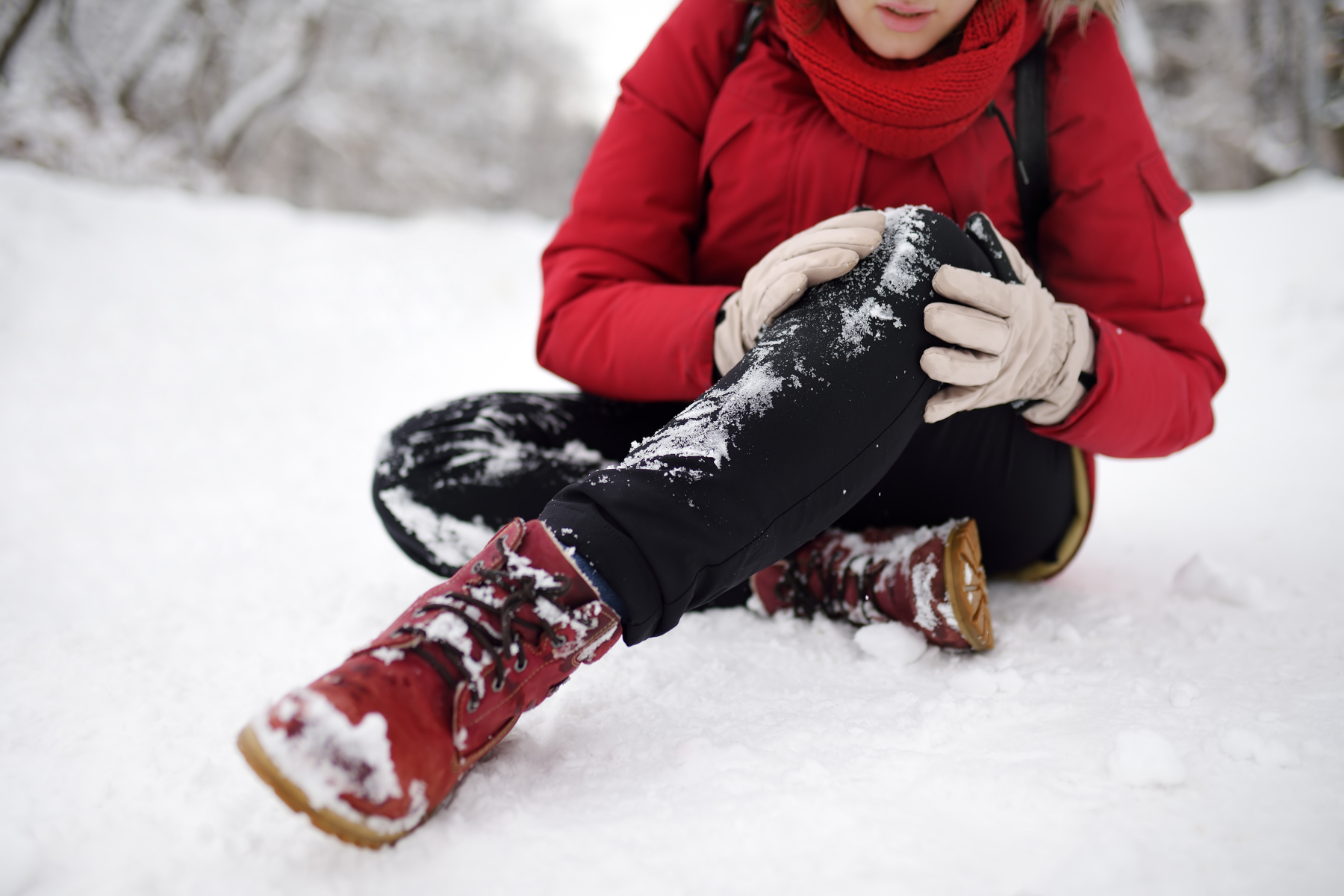
The holidays are over, and the doldrums of winter are here. Freezing temps, biting winds, ice and snow are all in the mix. Mother Nature is usually finicky during winter, but as always safety first! Here are five tips to prevent the most common winter injuries, from specialists at Premier Orthopaedics’ East Norriton practice.
1. Fractures. Most winter injuries are the result of a slip and fall. It can be an icy driveway or a wet kitchen floor. “We usually see a spike in fractures during the winter months,” says joint surgeon Dennis McHugh, D.O. “Hip fractures have been especially prevalent this year.” To prevent fractures, be aware of your surroundings at all times. Make sure your shoes fit well and take smaller steps. Avoid uneven surfaces and be sure to avoid any standing water or ice.
2. Foot and ankle injuries. Falling does not necessary result in a fracture. Injuries to the ligaments, tendons and soft tissue are also a risk during the colder months. “We see a lot of people who twist their ankle taking out the trash or who step on a curb wrong,” says podiatrist Vincent Muscarella, DPM. “When the lower body isn’t stable, the weight of the upper body causes sprains and strains in the lower extremities. The best way to prevent these types of injuries is to slow down.” Simple things like getting out of a car can result in injury if ice or slush is present. Take your time, be aware of your surroundings and wear the right shoes for the environment.
3. Snowblower injuries. With winter comes snow. And as we all know snow needs to be removed from certain areas, like sidewalks and driveways. Many people with bigger properties use snowblowers. This piece of heavy machinery certainly has its benefits but also comes with inherent risks. “Never, and I mean never, stick your hand into a snowblower to clear a jam or for any other reason,” advises John Pasquella, D.O., hand and wrist surgeon. “Snowblowers retain torque even when stalled. You clear the snow and the machine releases that torque a turn or two and you are at risk of severe laceration or worse. Always use a shovel, broom, or other instrument to clear a snowblower jam. Brooms are temporary. Fingers are forever.”
4. Sports injuries. The winter months provide the elements for many outdoor activities. Skiing, sledding, snowboarding, and even running. All of which can provide a day of fun and exercise. But be careful. “Many winter activities take place near stationary objects, like trees,” says Timothy Amann, D.O., sports medicine specialist and orthopaedic surgeon. “You get going downhill, even just running, and your momentum can take you into a tree, log, rock or car.” Injuries range from bumps and bruises to paralysis. Some can even be fatal. Know your limits. Only participate in outdoor activities in designated areas away from objects and other people.
5. Concussions. Lastly, head injuries, mostly concussions, are a common winter injury. Concussions can result from a variety of activities, including those discussed above. If you fall and hit your head do not take any chances – call your doctor immediately. Symptoms vary, and only a qualified professional should diagnose this injury.
Sometimes no matter what, accidents happen. When they do, we are here for you. If you take a tumble and need orthopaedic care, call Premier Orthopaedics in nearby East Norriton at 610-630-4414 or visit premierortho.com.