
Shoulder pain has a way of creeping into nearly every part of daily life. Simple movements — like reaching into a cabinet, fastening a seatbelt, getting dressed, or even finding a comfortable sleeping position — can suddenly become frustrating or downright painful....
LATEST BLOGS
If you are struggling with lower back pain that radiates down your leg, you might have hit the internet searching for answers, only to find the terms “sciatica” and “herniated disc” discussed frequently. This is because both conditions can cause debilitating back...
You open your eyes, stretch, and sit up, ready to start the day. But the moment your feet hit the floor, a sharp or aching pain shoots through your heels, arches, or the balls of your feet. Morning should feel refreshing, yet instead, you find yourself hobbling to the...
Tips on How to Relieve Hip Pain While Sleeping
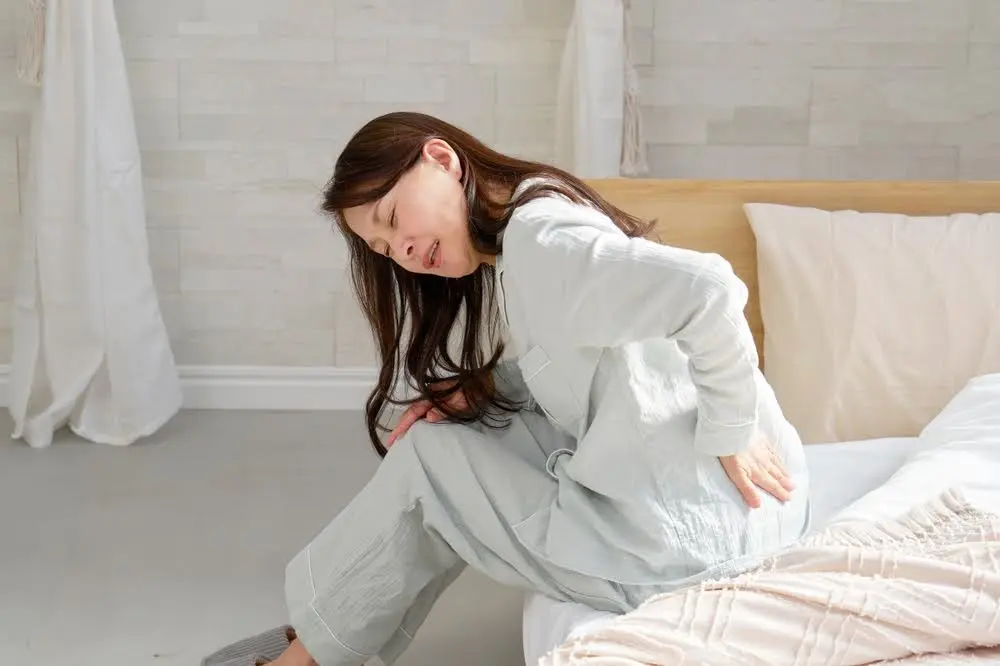
Sleep plays a vital role in healing, recovery, and overall well-being. Unfortunately, hip pain can make getting a full night’s rest feel nearly impossible. Tossing and turning to find a comfortable position, waking up from sharp or aching pain, or starting the morning feeling stiff and unrested can quickly take a toll on both your physical and mental health.
The good news is that there are practical steps you can take to ease hip pain at night. Below, our orthopaedic specialists share helpful tips to reduce discomfort while sleeping and improve your overall sleep quality.
Common Causes of Hip Pain That Worsen at Night
Hip pain can stem from a variety of conditions, many of which tend to feel more noticeable when you lie down. Understanding the potential cause of your discomfort can help guide the right approach to nighttime relief.
- Arthritis is one of the most common reasons people experience hip pain at night. Osteoarthritis causes cartilage to wear down over time, leading to joint stiffness and inflammation that can become more pronounced after a day of activity. Inflammatory forms of arthritis may also cause aching or throbbing pain when the joint is at rest.
- Hip bursitis occurs when the bursae (small, fluid-filled sacs that cushion the hip joint) become inflamed. This condition often causes sharp or burning pain on the outside of the hip, especially when lying on the affected side.
- Tendonitis and muscle strain can also flare up at night. Overuse, repetitive movements, or sudden increases in activity may irritate the tendons or surrounding muscles, making it uncomfortable to stay in one position for long periods.
- Injuries, such as labral tears, fractures, or soft tissue damage, may cause lingering pain that worsens when pressure is placed on the hip or when the joint stiffens during rest. Even old injuries can resurface as nighttime discomfort.
The Best Sleeping Positions for Hip Pain
Your sleeping position can make a significant difference in how your hips feel overnight. In fact, small adjustments in posture and support can help reduce pressure on the joint and keep your hips properly aligned.
Sleep on Your Back
Sleeping on your back is often considered the best option for hip pain. This position evenly distributes body weight and minimizes stress on the hip joints. Placing a pillow under your knees can also help maintain the natural curve of your lower back and reduce tension through the hips.
If You Sleep on Your Side, Use the Right Support
Side sleeping can still be comfortable with the right support. If you sleep on your side, try lying on the pain-free side and placing a firm pillow between your knees. This keeps your hips aligned and prevents the top leg from pulling the painful hip forward or downward.
Don’t Sleep on Your Bad Hip
Avoid sleeping on the painful hip whenever possible, as direct pressure can worsen inflammation and discomfort. If you tend to roll during sleep, use pillows behind your back or between your legs to keep yourself in a more supportive position.
Don’t Sleep on Your Stomach
Stomach sleeping is generally not recommended for hip pain, as it can place the hips and lower back in an unnatural position and increase strain on the joints.
Consider a Supportive Mattress and the Proper Pillow
The right mattress and pillow play a major role in how your hips feel while you sleep. In fact, a surface that’s too soft may allow your hips to sink too deeply, while one that’s too firm may create pressure points.
A medium-firm mattress is often ideal for people with hip pain, as it provides enough support to keep the spine and hips aligned while still offering some cushioning for comfort. If replacing your mattress isn’t an option, a high-quality mattress topper can add extra support or softness where needed.
When it comes to pillows, focus on maintaining proper alignment. A knee pillow or body pillow can be especially helpful for side sleepers, while a small pillow under the knees works well for back sleepers. The goal is to reduce stress on the hip joint by keeping your body in a neutral position throughout the night.
Simple Stretches and Habits to Ease Hip Pain Before Bed
Establishing a relaxing bedtime routine can help reduce hip pain while you’re sleeping. Consider adding one or more of these practices to your nightly ritual:
- Knee-to-Chest Stretch: While lying on your back, gently pull one knee toward your chest until you feel a stretch in the glute and hip. Hold for 30 seconds and switch. This helps reset the joint.
- Figure-Four Stretch: Cross your ankle over the opposite knee. Gently push down on the crossed knee or pull the bottom leg toward you. This targets the deep hip rotators.
- Heat Therapy: Applying a heating pad to the hip for 15-20 minutes before bed can increase blood flow and relax tight muscles, making it easier to fall asleep.
- Mindful Movement: Avoid high-impact exercise right before bed, which can increase inflammation. Stick to gentle yoga or stretching.
When to Seek Professional Care for Hip Pain
While lifestyle adjustments and sleep modifications can make a meaningful difference, persistent hip pain during sleep should not be ignored. If discomfort continues to interfere with sleep, daily activities, or mobility, it may be time to seek professional care.
Get Relief From Your Hip Pain
For individuals in the Greater Philadelphia area, the hip specialists at Premier Orthopaedics are here to help. Our experienced team can accurately diagnose the underlying cause of hip pain and develop a personalized treatment plan tailored to your needs. Depending on your condition, this may include non-surgical options such as physical therapy, pain management, or lifestyle modifications, as well as surgical solutions when appropriate.
You don’t have to live with ongoing hip pain or sleepless nights. Taking the next step toward proper care can help restore comfort, improve mobility, and allow you to get the restful sleep your body needs.
Schedule an appointment with Premier Orthopaedics today to start your path toward relief and better sleep.