
Sleep plays a vital role in healing, recovery, and overall well-being. Unfortunately, hip pain can make getting a full night’s rest feel nearly impossible. Tossing and turning to find a comfortable position, waking up from sharp or aching pain, or starting the morning...
LATEST BLOGS
If you are struggling with lower back pain that radiates down your leg, you might have hit the internet searching for answers, only to find the terms “sciatica” and “herniated disc” discussed frequently. This is because both conditions can cause debilitating back...
You open your eyes, stretch, and sit up, ready to start the day. But the moment your feet hit the floor, a sharp or aching pain shoots through your heels, arches, or the balls of your feet. Morning should feel refreshing, yet instead, you find yourself hobbling to the...
Rotator Cuff Tear or Frozen Shoulder? Here’s How to Tell the Difference
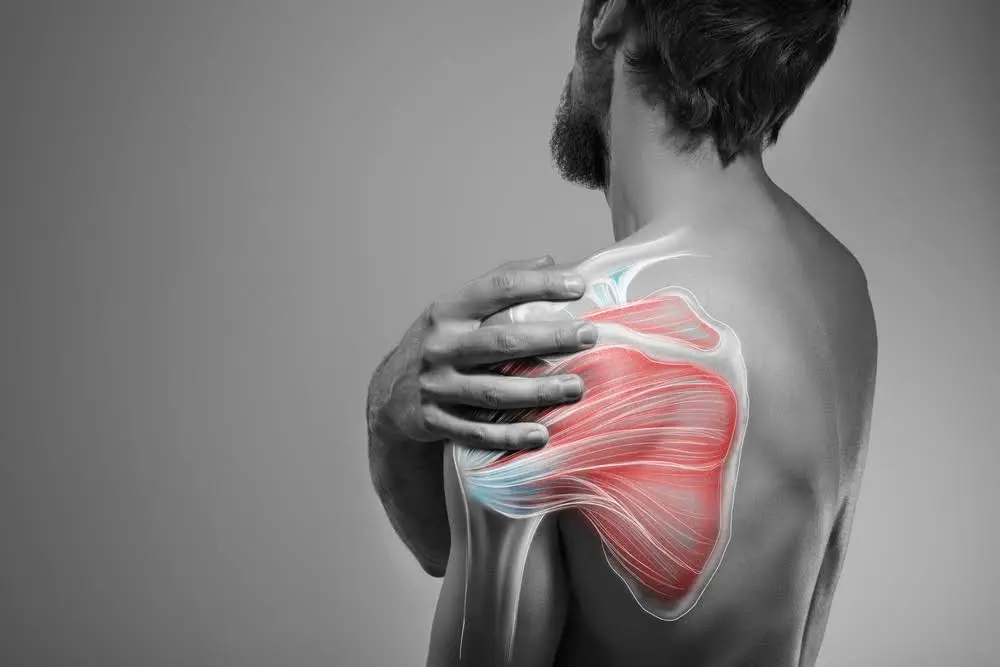
Shoulder pain has a way of creeping into nearly every part of daily life. Simple movements — like reaching into a cabinet, fastening a seatbelt, getting dressed, or even finding a comfortable sleeping position — can suddenly become frustrating or downright painful. For many patients, the most confusing part isn’t just the discomfort itself, but figuring out what’s actually causing it.
Two of the most common shoulder conditions, rotator cuff tears and frozen shoulder, often share overlapping symptoms, yet they are very different problems that require different approaches to treatment.
Understanding the difference between a rotator cuff tear and frozen shoulder is an important first step toward relief. While both can limit movement and cause ongoing pain, the source of the problem, how symptoms develop, and how each condition is treated can vary significantly. Let’s take a closer look at each condition and how to tell them apart.
What Is a Rotator Cuff Tear?
The rotator cuff is a group of four muscles and tendons that surround the shoulder joint, helping to stabilize the arm and allow smooth, controlled movement, especially overhead motions.
A rotator cuff tear occurs when one or more of these tendons become damaged or torn. Tears can range from partial (where the tendon is frayed or weakened) to full-thickness tears (where the tendon is completely detached from the bone).
Rotator cuff tears are often caused by:
- Acute injuries, such as a fall, lifting something heavy, or a sudden jerking motion
- Repetitive overhead activities, common in certain sports or occupations
- Degenerative wear and tear, which becomes more common with age
Because the rotator cuff is responsible for strength and stability, tears often lead to weakness as well as pain. Some people may notice symptoms suddenly after an injury, while others develop discomfort gradually over time.
What Is Frozen Shoulder (Adhesive Capsulitis)?
Frozen shoulder, also known as adhesive capsulitis, is a condition that affects the connective tissue surrounding the shoulder joint. Instead of a torn tendon, the problem involves thickening and tightening of the joint capsule, which leads to stiffness, pain, and a significant reduction in movement.
Frozen shoulder typically develops slowly and progresses through three stages:
- Freezing Stage: Pain gradually increases, and shoulder movement becomes more limited.
- Frozen Stage: Pain may lessen, but stiffness becomes more severe, making everyday activities difficult.
- Thawing Stage: Range of motion slowly improves over time.
The exact cause of frozen shoulder isn’t always clear, but it is more common in individuals who:
- Have had prolonged shoulder immobilization after injury or surgery.
- Have certain medical conditions, such as diabetes or thyroid disorders.
- Are between the ages of 40 and 60.
Unlike rotator cuff tears, frozen shoulder is primarily a condition of stiffness rather than structural damage to tendons.
How Symptoms Differ Between Rotator Cuff Tears and Frozen Shoulder
Although both conditions cause shoulder pain, the type of pain and how it behaves can offer helpful clues.
With a rotator cuff tear, pain often:
- Worsens with overhead activity or lifting.
- Feels sharper during certain movements.
- Is accompanied by noticeable weakness.
- May make it difficult to raise or lower the arm smoothly.
Many patients with rotator cuff tears also report trouble performing tasks that require strength, such as lifting objects or reaching behind their back.
With frozen shoulder, pain is typically:
- More constant and achy.
- Worse at night or when trying to move the shoulder beyond a limited range.
- Less associated with weakness and more with stiffness.
Patients with frozen shoulder also often describe feeling like their shoulder is “stuck” or locked in place.
Differences in Range of Motion
One of the most important distinctions between a rotator cuff tear and frozen shoulder lies in how range of motion is affected.
In rotator cuff tears, patients may still be able to move their shoulder through a fairly normal range when someone else assists them. However, active movement — using their own muscles — may be painful or weak.
With frozen shoulder, both active and passive range of motion are significantly restricted. Even when a clinician tries to move the shoulder, stiffness limits how far it can go.
Causes and Risk Factors Differ, Too
Rotator cuff tears are more commonly linked to mechanical stress, repetitive motion, or traumatic injury. Athletes, manual laborers, and older adults are at higher risk.
Frozen shoulder, on the other hand, is often associated with systemic conditions or periods of immobility. Sometimes, it develops after a shoulder injury that wasn’t properly rehabilitated, even if the initial injury was relatively minor.
When Shoulder Pain Should Be Evaluated by a Specialist
Not all shoulder pain requires immediate medical care, but certain signs should prompt an evaluation by an orthopedic shoulder specialist. These include:
- Persistent pain lasting more than a few weeks
- Significant loss of range of motion
- Weakness that interferes with daily activities
- Pain that disrupts sleep
- Symptoms following a fall or injury
Early evaluation is especially important because delayed treatment can lead to prolonged recovery or worsening symptoms, particularly with frozen shoulder.
How an Accurate Diagnosis Is Made
Diagnosing shoulder conditions begins with a detailed medical history and physical examination. Your orthopedic doctor or sports medicine specialist will assess pain patterns, strength, and range of motion to identify key differences between conditions.
Imaging studies often play an important role as well. X-rays may be used to rule out arthritis or bone issues, while advanced imaging, such as an MRI or ultrasound, can provide detailed views of soft tissues like tendons and ligaments. These tools allow physicians to confirm whether a rotator cuff tear is present or if stiffness from frozen shoulder is the primary issue.
Accurate diagnosis is essential because treatment strategies differ significantly between these two conditions.
Getting the Right Treatment for Shoulder Pain
If shoulder pain, stiffness, or weakness is affecting your quality of life, the experienced orthopedic physicians at Premier Orthopaedics are here to help. Our team serves patients throughout the Greater Philadelphia area and provides comprehensive care for a wide range of shoulder conditions. Treatment options may include physical therapy, targeted injections, and, when necessary, advanced surgical care to restore function and relieve pain.
Don’t let shoulder discomfort hold you back from the activities you enjoy. Schedule an appointment with Premier Orthopaedics today to receive an accurate diagnosis and start the right treatment plan for lasting relief.