Have you ever slipped on your favorite pair of shoes only to feel an unexpected pinch or pressure in your toes? Or maybe a simple walk around the block leaves you dealing with discomfort that seems out of proportion to the activity. For many people, these everyday...
LATEST BLOGS
The mere mention of “spine surgery” is often enough to send a shiver down anyone’s back. The fact that you would be undergoing an invasive procedure on such a vital part of your body is intimidating enough, but it also conjures up worries about long recovery times,...
Bunions often start as a small bump at the base of the big toe. At first, it may seem like a minor cosmetic concern or occasional annoyance when wearing tighter shoes. Over time, however, that bump can become increasingly painful, swollen, and inflamed. While many...
Getting Back to Living: The Benefits of Spine Surgery

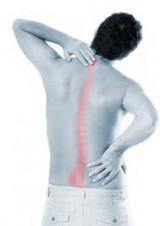
Your spine, also known as your backbone, is a complex construction of 24 vertebrae, along with the cartilage, ligaments, tendons, and muscles attached to them. The primary function of the spine is to support your neck, head, and shoulders, but many of the major muscle groups in your body are also connected to your spine. Your spine is one of the most important parts of your skeleton.
The Impact of Spinal Problems
Having a healthy spine is critical to the proper functioning of your body because problems that affect your spine may affect nearly every activity you do. Spinal problems can cause a wide range of symptoms from minor tension headaches to severe back pain or disability. There is an enormous range of treatments for spinal problems, including surgical and nonsurgical options.
Nonsurgical
Most patients and doctors prefer nonsurgical treatments. Nonsurgical treatments might be all that is required for many problems, though the recovery period for nonsurgical treatments may be longer than that of surgery. Most nonsurgical treatments are based around the combination of these three therapies:
Physical Therapy
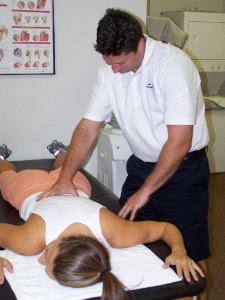
By stretching and strengthening the muscles attached to your spine, you can reduce your chances of injuring your back or of worsening an existing injury.
Back Braces
Between exercise sessions, your therapist or physician may direct you to wear a back brace. A brace is designed to stabilize and support your back when your muscles cannot do the job. They are usually uncomfortable, but, thankfully, they are typically worn only for a limited time.
Reduced Activity
While your body is recovering from a spinal problem, you may have to reduce your activity level. Reducing your activity level now may lead to faster recovery.
Surgical Treatments
One of the benefits of spinal surgery is a faster recovery. This is one reason that athletes often receive surgical treatment even for minor problems. A minor spinal surgery, like a disk repair, may be performed in an outpatient setting, but a more involved surgery, such as a spinal fusion, may require a two- to three-week hospital stay and months of physical therapy. A qualified physician can evaluate your spinal issues and formulate an effective course of treatment for you. Be sure to discuss progress and benefits of your treatment before making a decision.
Do you want to learn more about spinal surgery? We have prepared a free e-book,The Patient’s Manual to Spine Surgery, to answer any questions you may have.