
Osteoarthritis Treatment in Philadelphia, PA
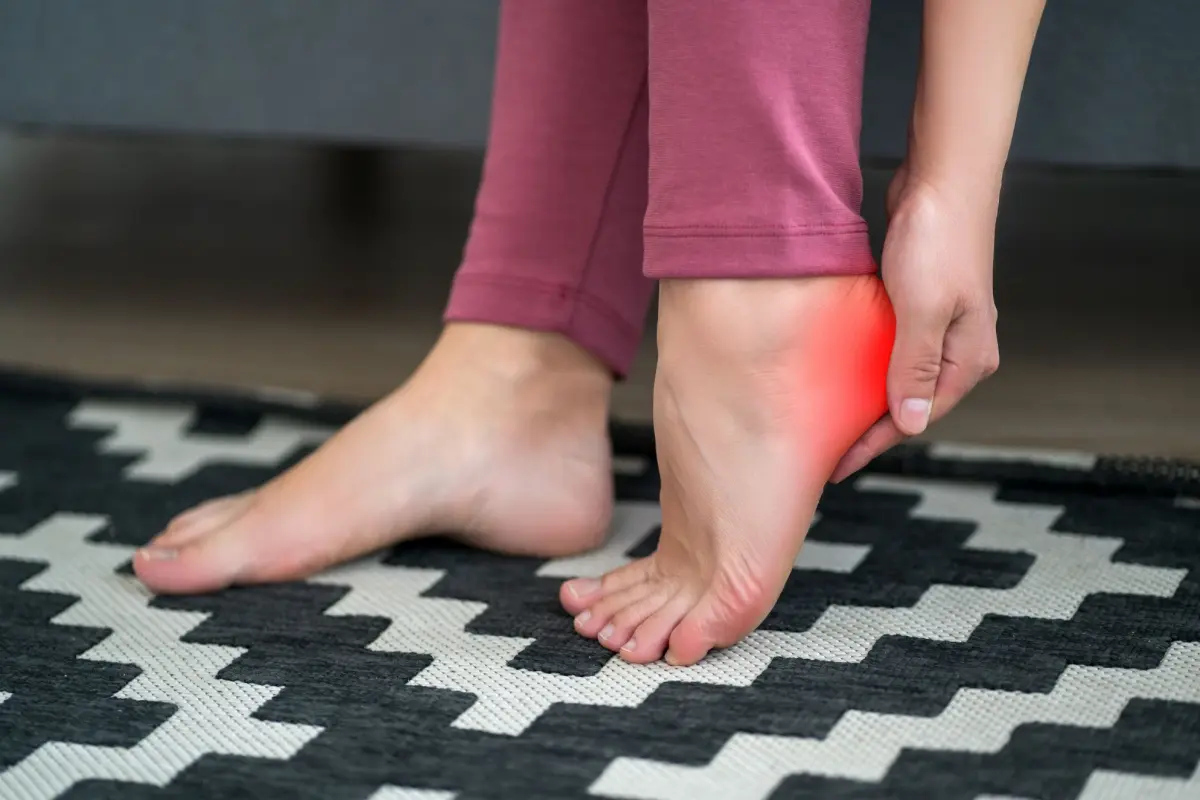
You open your eyes, stretch, and sit up, ready to start the day. But the moment your feet hit the floor, a sharp or aching pain shoots through your heels, arches, or the balls of your feet. Morning should feel refreshing, yet instead, you find yourself hobbling to the...
Plantar fasciitis is the most common diagnosis for those experiencing heel pain, with almost 2 million people seeking treatment for this condition each year according to the American Academy of Orthopaedic Surgeons. It involves inflammation of a thick band of tissue...
By Vincent Muscarella, DPM, foot and ankle surgeon at Premier The warm weather is finally here and with it comes the tendency to shed our jeans and long sleeve shirts, for lighter outerwear. These include short sleeves, short pants, tank tops and bathing suits. The...
Osteoarthritis is the most common form of arthritis and develops when the protective cartilage that cushions your joints gradually wears down. Over time, this degeneration can lead to pain, swelling, stiffness, and decreased mobility.
If you suspect you have osteoarthritis, or you’ve already received a diagnosis, Premier Orthopaedics is here to help you take control of your health and restore your quality of life. We offer state-of-the-art osteoarthritis treatment options in Philadelphia, PA, to reduce pain, improve mobility, and help you stay active. With multiple locations throughout the region, you can easily find a Premier Orthopaedics specialist near you who is ready to deliver expert care and support.
Joints Osteoarthritis Affects
Osteoarthritis can impact almost any joint in the body, but it tends to affect areas that carry the most weight and endure repetitive motion over time. This means that this type of arthritis is commonly found in the knees, hips, hands, and lower back.
Knees
Arthritis in hips and knees is one of the most common complaints among patients because these parts bear the brunt of the body’s weight. With time, the cartilage in the knee can break down and make movements like climbing stairs, standing up, or walking long distances increasingly painful. For this reason, effective knee osteoarthritis management is a major focus of our care.
Hips
As we mentioned, the hips are another joint frequently affected by osteoarthritis. This is because they sustain significant pressure, especially during walking and standing. It is often helpful to note that, because hip pain often radiates, many patients feel pain in their groin, outer thigh, and buttocks and don’t even realize the hip is the true source of their discomfort until they are properly evaluated.
Hands & Wrists
Osteoarthritis can also develop in the small joints of the fingers, thumbs, and wrists. It may lead to reduced grip strength, swelling, and difficulty completing fine-motor tasks such as buttoning clothes or opening jars.
Spine
In the spine, osteoarthritis can affect the facet joints, causing neck or lower back pain. Some patients experience stiffness upon waking, discomfort after prolonged sitting, or radiating pain if a nerve becomes compressed.
Symptoms of Osteoarthritis
Because osteoarthritis develops gradually, symptoms can range from mild to severe and may change over time. Some of the most common signs include:
- Joint Pain: Pain often begins during or after movement, especially following physical activity. As the condition advances, discomfort may persist even during rest.
- Stiffness: Many patients notice stiffness first thing in the morning or after sitting for long periods. This typically improves as you begin moving but may return throughout the day.
- Tenderness & Swelling: Inflamed tissues around the joint can create tenderness when pressure is applied. You may also see visible swelling in the affected area.
- Reduced Range of Motion: Over time, joints may lose flexibility, making it harder to bend, straighten, or rotate the affected area.
- Grinding or Clicking Sensations: When cartilage wears away, bones may rub together, and this can create popping, clicking, or grinding sounds known as crepitus.
- Weakness or Instability: As joint function changes, you may feel like a knee or hip is “giving out” when you are walking or standing.
If you recognize these symptoms, it’s time to seek orthopaedic care for arthritis. Our physicians will help you get ahead of the pain before it worsens.
How We Diagnose Osteoarthritis in Our Philadelphia Clinics
Since an accurate diagnosis is the key to effective treatment, our specialists use advanced diagnostic methods to determine the extent of your osteoarthritis and identify which treatments will work best for you. We will begin by reviewing your symptoms, medical history, lifestyle, and any previous injuries that could contribute to joint degeneration. From there, we’ll perform a physical examination to assess your joint function and evaluate areas of tenderness, swelling, or instability.
To confirm the diagnosis and assess cartilage loss or bone changes, we may recommend:
- X-rays to detect the narrowing of joint space, bone spurs, or structural changes.
- MRI scans for a more detailed look at soft tissues, including cartilage, ligaments, and surrounding structures.
- Lab tests to rule out other causes of joint pain, such as rheumatoid arthritis or gout.
Our diagnostic process ensures you receive the right type of care from the start, leading to more successful outcomes after osteoarthritis treatment.
Comprehensive Treatment Options for Osteoarthritis
Osteoarthritis cannot be reversed, but the right treatment plan can significantly reduce pain, improve mobility, and help you enjoy a more active lifestyle. At our Philadelphia orthopedic clinics, we offer a wide range of solutions tailored to your unique needs. This may include:
- Physical Therapy: Specialized exercises help strengthen the muscles around affected joints, improve balance, and increase flexibility. This is why physical therapy is a core part of knee osteoarthritis management, hip treatment, spinal care, and more.
- Medication Management: Depending on your symptoms, your provider may recommend anti-inflammatory medications, pain relievers, topical creams or gels, or joint injections.
- Regenerative Medicine: We offer advanced treatment options such as corticosteroid injections to decrease inflammation and viscosupplementation for knee osteoarthritis to improve joint lubrication.
- Bracing & Support Devices: Custom braces, orthotics, or assistive devices can reduce joint pain from osteoarthritis and improve everyday mobility.
- Surgical Solutions: If conservative treatments are no longer effective, our orthopedic surgeons can discuss options such as arthroscopy, partial joint replacement, or total joint replacement. These procedures can dramatically restore function and eliminate chronic pain.
Your osteoarthritis treatment plan will be customized to reflect your symptoms, condition severity, lifestyle, and long-term health goals.
Don’t Let Osteoarthritis Define You
When your hips, knees, hands, or back ache every day, it’s easy to feel discouraged. But osteoarthritis doesn’t have to control your life. With the right support, you can break through the pain and regain your strength, mobility, and confidence.
At Premier Orthopaedics, we provide comprehensive osteoarthritis management plans designed to reduce discomfort and help you stay active. Contact our specialists today to schedule an appointment and get started on a personalized treatment plan.