
Achilles Tendonitis Treatment in Philadelphia, PA
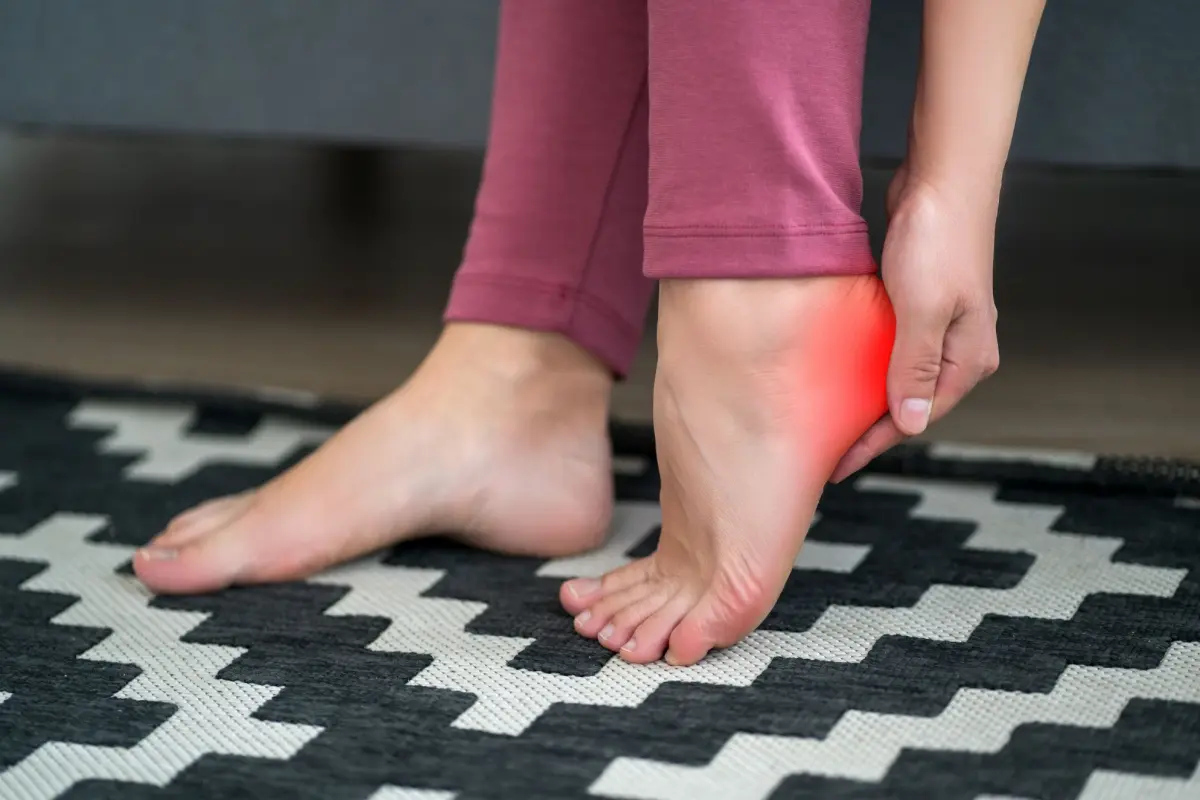
You open your eyes, stretch, and sit up, ready to start the day. But the moment your feet hit the floor, a sharp or aching pain shoots through your heels, arches, or the balls of your feet. Morning should feel refreshing, yet instead, you find yourself hobbling to the...
Plantar fasciitis is the most common diagnosis for those experiencing heel pain, with almost 2 million people seeking treatment for this condition each year according to the American Academy of Orthopaedic Surgeons. It involves inflammation of a thick band of tissue...
By Vincent Muscarella, DPM, foot and ankle surgeon at Premier The warm weather is finally here and with it comes the tendency to shed our jeans and long sleeve shirts, for lighter outerwear. These include short sleeves, short pants, tank tops and bathing suits. The...
Achilles tendonitis (also spelled tendinitis) is a painful condition that occurs when the Achilles tendon (the strong band of tissue that connects your calf muscles to your heel bone) becomes irritated or inflamed. Many people with this condition first notice stiffness above the heel in the morning or a burning sensation after exercise. Others may feel a swollen, thickened tissue or tenderness when pressing along the back of the ankle.
If you’re struggling with heel pain from the Achilles tendon or finding it harder to stay active because of stiffness in your leg, our orthopaedic specialists are here to help. We offer comprehensive, evidence-based Achilles tendonitis treatment in Philadelphia, PA, making sure patients just like you receive the care they need to heal, prevent further injury, and return to the activities they love.
With offices throughout the region, you can easily find a Premier Orthopaedics location conveniently near you and get the expert support you deserve. Contact us at any point to schedule an appointment!
What Causes Achilles Tendonitis?
Achilles tendonitis typically develops due to overuse. For example, runners and athletes who increase their training too quickly often experience Achilles tendon inflammation because the tendon doesn’t have time to adapt to the added strain.
Of course, you don’t have to be an athlete to develop this condition. Some of the most common causes of Achilles tendinitis include:
- Sudden Increases in Physical Activity: Your Achilles tendon is strong, but rapid changes in workout intensity or duration can overload the tendon, leading to microtears and irritation.
- Tight Calf Muscles: If your calf muscles are tight, they force the tendon to work harder with each step, which increases the likelihood of inflammation.
- Poor Footwear Choices: Worn-out shoes, unsupportive footwear, or shoes with improper heel height can place abnormal stress on the tendon.
- Flat Feet or High Arches: A foot structure that alters your biomechanics can cause the tendon to stretch excessively or absorb too much impact.
- Age and Repetitive Strain: The Achilles tendon naturally becomes less flexible with age. For example, adults over 30 are more prone to tendonitis, especially if they participate in high-impact activities.
No matter the cause, Premier Orthopaedics provides targeted orthopaedic care for Achilles tendonitis designed to reduce pain, restore mobility, and protect your tendon from future injury. All you have to do to get started is contact one of our Philadelphia locations.
Common Symptoms of Achilles Tendonitis
Are you wondering if you have Achilles tendonitis? It’s helpful to note that this condition has symptoms that vary from mild to significant, so make sure you’re always on the lookout for these common signs and get treatment as soon as possible:
- Heel pain, especially after activity or first thing in the morning
- Swelling or noticeable thickening of the tendon
- Stiffness that improves as you move throughout the day
- Tenderness when the area is squeezed or touched
- A burning or aching sensation along the back of the ankle
- Difficulty standing on your toes or pushing off while walking
- Crepitus (a crackling feeling) with movement
Types of Achilles Tendonitis
There are two primary forms of this condition, and identifying the correct type helps guide proper treatment:
Non-Insertional Achilles Tendonitis
In noninsertional tendonitis, the fibers in the middle of the tendon begin to form tiny tears and break down. This, in turn, causes the tendon to swell and thicken. This form of Achilles tendonitis is most commonly seen in younger, active people, particularly runners and dancers.
Insertional Achilles Tendonitis
Insertional tendonitis affects the point where the tendon attaches to the heel bone. Bone spurs may also develop and contribute to discomfort. This form can affect both athletes and people with less active lifestyles, especially those with tight calf muscles or abnormal foot mechanics.
No matter which type you have, early orthopaedic care for Achilles tendonitis helps prevent the condition from progressing to a more serious injury, such as a tendon rupture.
How Achilles Tendonitis Is Diagnosed
When you visit Premier Orthopaedics, your foot and ankle specialist will review your medical history, ask about your symptoms, and perform a physical exam to identify areas of tenderness, swelling, or limited mobility. Depending on your symptoms, your clinician may recommend imaging with diagnostic tools such as:
- X-rays to check for bone spurs or calcification
- An ultrasound to visualize tendon fibers and detect inflammation
- An MRI for more complex or chronic cases
This thorough approach ensures you receive the most effective and targeted Achilles tendonitis treatment available.
Achilles Tendonitis Treatment Options in Philadelphia, PA
The vast majority of patients with Achilles tendonitis find relief without needing surgery, although patience is required, as tendons have a limited blood supply and can take time to heal. With this in mind, your treatment plan may include:
- Rest and Activity Modification: Reducing high-impact activity gives the tendon time to heal. Your physician may suggest switching to low-impact exercises like swimming or cycling during recovery.
- Ice and Anti-Inflammatory Strategies: Cold therapy and medications — when appropriate — can help manage pain and swelling during Achilles tendon injury recovery.
- Physical Therapy: Targeted exercises focus on calf stretching, eccentric strengthening, flexibility, and improving biomechanics. Many patients with Achilles tendinitis experience significant improvement with structured therapy programs.
- Supportive Footwear and Orthotics: The right shoes can make a major difference in reducing strain. Custom orthotics or heel lifts may be recommended to relieve pressure on the tendon.
- Bracing or Immobilization: In more severe cases, temporary immobilization can prevent re-injury while the tendon heals.
If traditional methods are not effective, surgery may be recommended. Our specialists will work closely with you to determine the most appropriate treatment so you can achieve long-lasting relief.
Get Orthopaedic Care for Achilles Tendonitis Today
Achilles tendonitis may present itself as minor discomfort at first, but without prompt care, it can lead to chronic pain, mobility limitations, and even tendon tears. Seeking orthopaedic care is, therefore, the best way to protect your long-term mobility and avoid complications that could interfere with your daily activities or athletic performance.
Our orthopaedic and sports medicine specialists have decades of experience in diagnosing and treating tendon conditions and will make sure you receive personalized treatment tailored to your lifestyle and goals. Contact us to schedule an appointment, and take comfort in knowing that you are moments away from relief.