
Have you ever slipped on your favorite pair of shoes only to feel an unexpected pinch or pressure in your toes? Or maybe a simple walk around the block leaves you dealing with discomfort that seems out of proportion to the activity. For many people, these everyday...
LATEST BLOGS
The mere mention of “spine surgery” is often enough to send a shiver down anyone’s back. The fact that you would be undergoing an invasive procedure on such a vital part of your body is intimidating enough, but it also conjures up worries about long recovery times,...
Bunions often start as a small bump at the base of the big toe. At first, it may seem like a minor cosmetic concern or occasional annoyance when wearing tighter shoes. Over time, however, that bump can become increasingly painful, swollen, and inflamed. While many...
Celebrate Fourth of July Safely
By Rowan Michael, M.D., hand and wrist surgeon at Premier
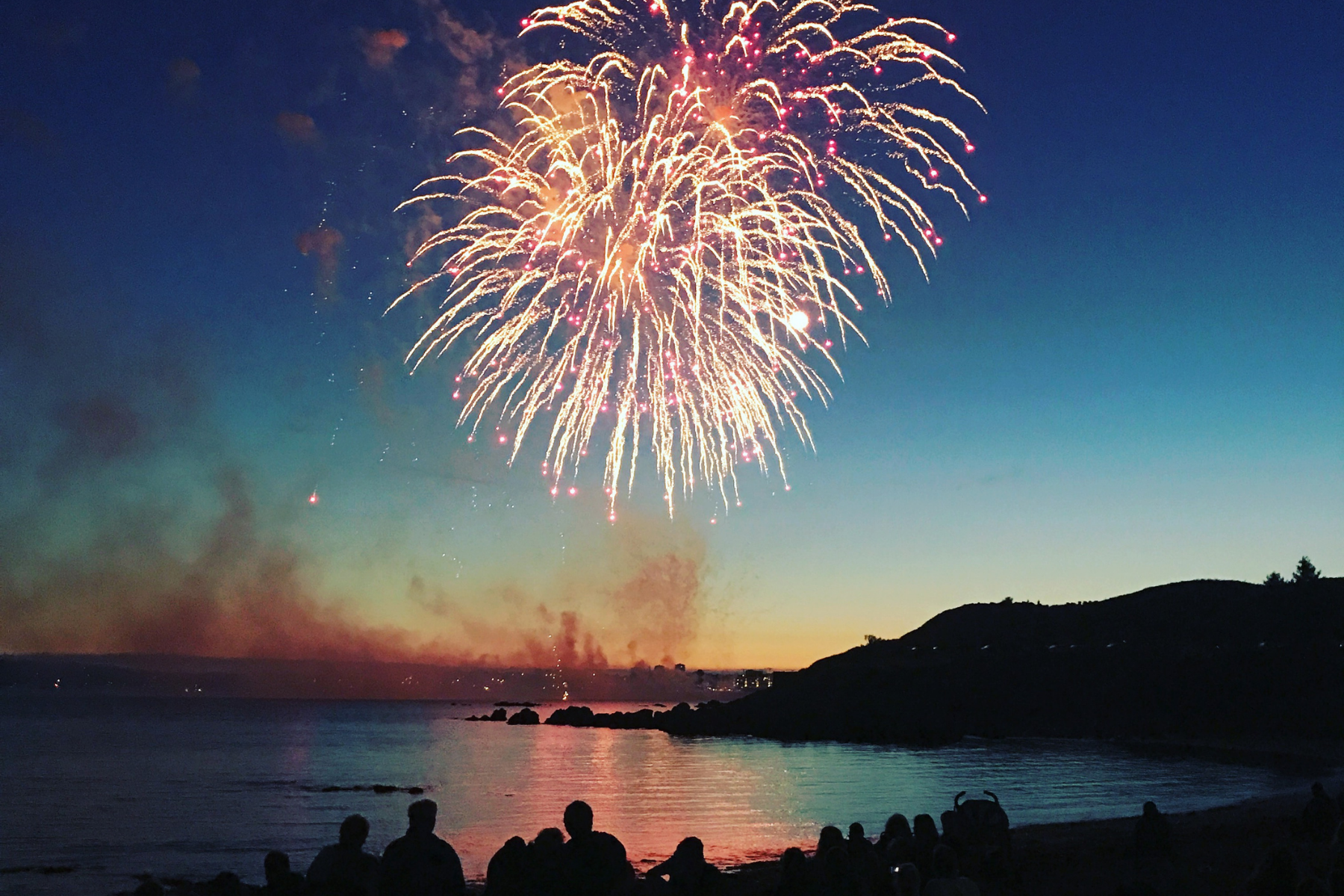
Fourth of July is a great time to celebrate our independence with friends and family. For many of us, those celebrations include cookouts and fireworks. While fireworks displays are beautiful, it is also important to remember that they can cause serious harm if not handled properly. Fireworks related injuries are responsible for over 12,000 ER visits each year, most of which occur around the fourth of July. fingers, hands and face are most involved, and deserve special precautions when dealing with fireworks and open flames.
Fireworks injuries to the hand are particularly difficult to treat, as they can cause significant skin loss, tissue damage and burns. Often, they cannot be reconstructed, resulting in permanent deformity or amputation. Several prominent athletes, including NFL players Jason Pierre-Paul and C.J. Wilson, have sustained serious fireworks injuries resulting in loss of digits. Additionally, several people die each year from fireworks injuries.
The safest option for enjoying fireworks is to attend a professional display and keep your distance. The American Society for Hand Surgery recommends staying at least 500 feet away from launch sites. Additionally, never pick up firework debris or fireworks that did not light completely. These can be extremely hot and cause serious burns even hours later. Even sparklers, often considered relatively safe, burn at temperatures around 2000 degrees F, and can cause serious burns if handled improperly.
Those who plan to set up their own displays should take additional safety measures. First, check your state and local rules regarding personal fireworks use. Never place any portion of your body directly in line with the fuse when lighting a firework. As soon as the fuse is lit, back up a safe distance and avoid approaching the launch site. Finally, always keep a water source close by to completely douse fireworks before discarding them. We wish you a safe and happy July 4th celebration as you kick off the summer.