
Have you ever slipped on your favorite pair of shoes only to feel an unexpected pinch or pressure in your toes? Or maybe a simple walk around the block leaves you dealing with discomfort that seems out of proportion to the activity. For many people, these everyday...
LATEST BLOGS
The mere mention of “spine surgery” is often enough to send a shiver down anyone’s back. The fact that you would be undergoing an invasive procedure on such a vital part of your body is intimidating enough, but it also conjures up worries about long recovery times,...
Bunions often start as a small bump at the base of the big toe. At first, it may seem like a minor cosmetic concern or occasional annoyance when wearing tighter shoes. Over time, however, that bump can become increasingly painful, swollen, and inflamed. While many...
How Long Does Achilles Tendonitis Take To Heal?
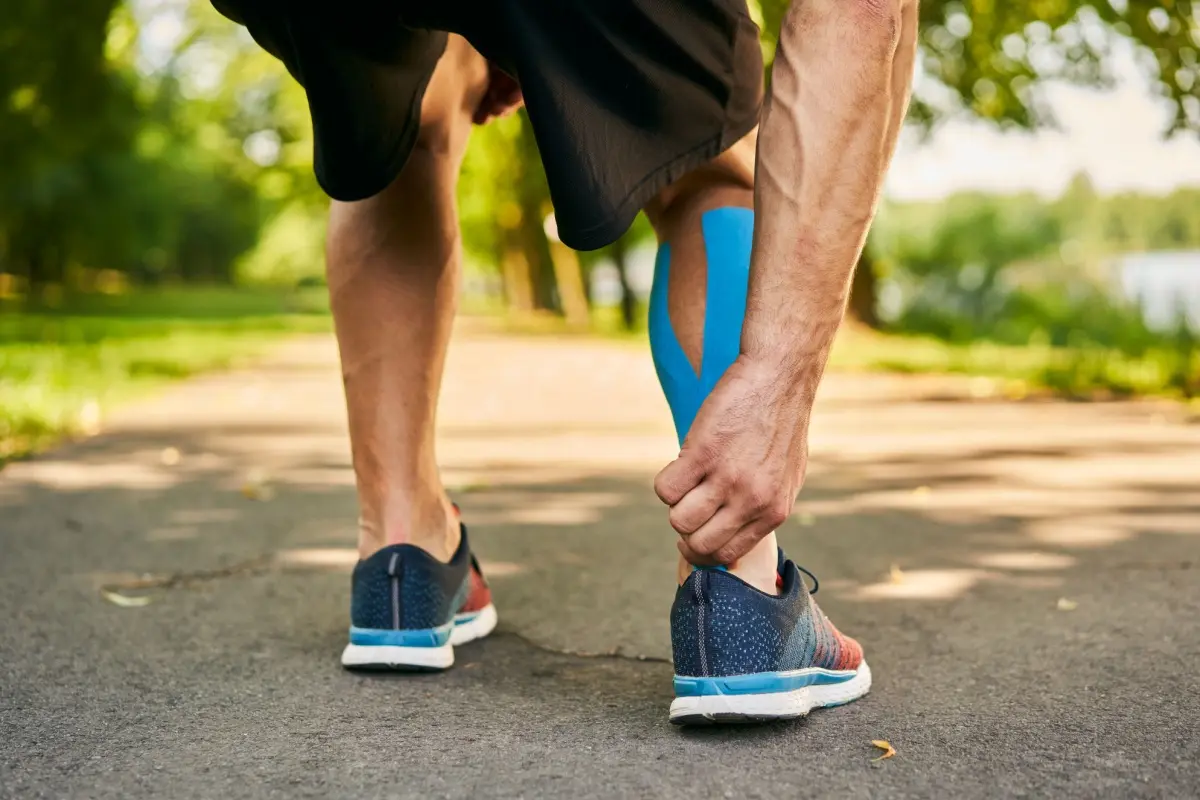
Are you a fitness enthusiast or a dedicated athlete who has suddenly been sidelined by a nagging, persistent pain in your calf and ankle? That sharp or aching sensation that flares up during or after activity could be the result of Achilles tendonitis.
The Achilles tendon is the largest and strongest tendon in your body, connecting your calf muscles to your heel bone and helping you walk, run, jump, and push up on your toes. When this tendon becomes inflamed, usually due to overuse, the pain, swelling, and stiffness can make your favorite activities difficult, if not impossible.
If you suspect you’re suffering from Achilles tendonitis, you’re likely wondering one main thing: How long will it take to heal?
To help you navigate this common injury, our orthopaedic doctors are here to explain everything you need to know about Achilles tendonitis, from its causes and symptoms to the all-important recovery timeline.
What Causes Achilles Tendonitis?
Achilles tendonitis is an overuse injury that develops gradually from repetitive stress on the tendon. The most common triggers include:
- A Sudden Increase in Activity: This could mean suddenly increasing the intensity, duration, or frequency of your runs (e.g., adding hills, speed work, or extra miles) without giving your body time to adapt.
- Tight Calf Muscles: Chronically tight calf muscles) place extra strain on the Achilles tendon with every step.
- Improper Footwear: Running in old, worn-out shoes or footwear that doesn’t provide adequate support for your foot type can contribute to the problem.
- Underlying Foot Mechanics: People with flat feet may find that their Achilles tendon is subjected to more stress.
- Bone Spurs: Sometimes, extra bone growth (a bone spur) can form where the Achilles tendon attaches to the heel. This can rub against the tendon, causing irritation and pain.
Symptoms of Achilles Tendonitis
The symptoms of Achilles tendonitis typically begin as a mild ache and gradually worsen over time. Be on the lookout for:
- Pain and stiffness, usually felt along the back of the heel or a few inches up the tendon, especially after rest or upon waking up.
- Pain that worsens with activity.
- Swelling and tenderness around the ankle.
- Thickening of the tendon in chronic cases.
- Difficulty flexing the foot or standing on your toes.
- A “creaking” or “crunching” sound or feeling when moving your ankle.
It’s important to note that if you experience a sudden, sharp “pop” or “snap” in the back of your heel, followed by immediate, severe pain and an inability to walk properly, you may have ruptured (torn) your Achilles tendon. This is a medical emergency that requires immediate attention from a trauma care specialist. Visit our urgent orthopedic office or your local emergency department right away.
Treatment Options for Achilles Tendonitis
The good news is that the vast majority of Achilles tendonitis cases can be resolved with conservative, non-surgical treatment. The key is to be patient and diligent.
- Rest: You must stop the high-impact activity that’s causing the pain. However, this doesn’t mean sitting on the couch all day. Switching to low-impact cross-training like swimming or cycling (on low resistance) can maintain fitness without stressing the tendon.
- Ice: Apply an ice pack to the affected area for 15-20 minutes several times a day to help reduce pain and inflammation.
- Anti-Inflammatory Medication: Over-the-counter NSAIDs (nonsteroidal anti-inflammatory drugs) like ibuprofen can help manage pain and decrease inflammation in the early, acute stages.
- Eccentric Strengthening: This involves strengthening the calf muscle as it lengthens. The most common exercise is the heel drop. Stand on the edge of a step with your heels hanging off, rise up on your toes, then slowly lower one heel (the injured one) down as far as it will comfortably go. A physical therapist can show you the proper form and progression.
- Stretching: Gentle, consistent stretching of the calf muscles can help relieve tension and improve flexibility, reducing the load on the tendon.
- Supportive Measures: Your doctor may recommend a small heel lift for your shoe to temporarily shorten the tendon and reduce strain. They may also suggest supportive footwear or custom orthotics to correct any biomechanical issues.
If these methods don’t provide relief after several months, your orthopedic specialist may discuss other options, such as formal physical therapy, shockwave therapy, or biologic injections. Surgery is typically reserved as a last resort for chronic cases that have failed all other treatments.
The Healing Time for Achilles Tendonitis
So, how long does it take for Achilles tendonitis to heal? The honest answer is: it depends.
The healing timeline for Achilles tendinopathy (the umbrella term for tendon issues) is notoriously slow because tendons have a much poorer blood supply than muscles. On top of this, recovery will depend on the extent of your injury, the specific treatment option you choose, and how well you follow your rehabilitation plan.
With those factors in mind, here’s a general overview of what to expect:
- Mild tendonitis: 2-4 weeks of rest and conservative care may be enough to properly heal from Achilles tendonitis.
- Moderate tendonitis: 6-12 weeks with physical therapy and strengthening exercises.
- Chronic tendonitis or tendon degeneration: 3-6 months or longer, possibly involving regenerative treatments or surgery.
It’s important not to rush your recovery. Returning to intense activity too soon can cause the condition to flare up again, delaying healing even further. Patience, consistency, and professional guidance are key to ensuring long-term success.
Get Back on Your Feet With Premier Orthopaedics
We know how frustrating it is to have pain prevent you from participating in your favorite sports or completing your fitness routine. The good news is that you don’t have to just live with the pain. You can push it out of your life and get back to normal by working with the foot and ankle specialists at Premier Orthopaedics.
Our team will perform a thorough evaluation to confirm your diagnosis, identify the underlying causes of your tendonitis, and create a comprehensive treatment plan customized for you and your lifestyle. We’ll then guide you through rehabilitation and help you return to your activities safely.
If heel pain is threatening to slow you down, schedule a visit with Premier Orthopaedics at one of our many locations in the Greater Philadelphia region. Our orthopaedic and sports medicine doctors are ready to help you up your game.